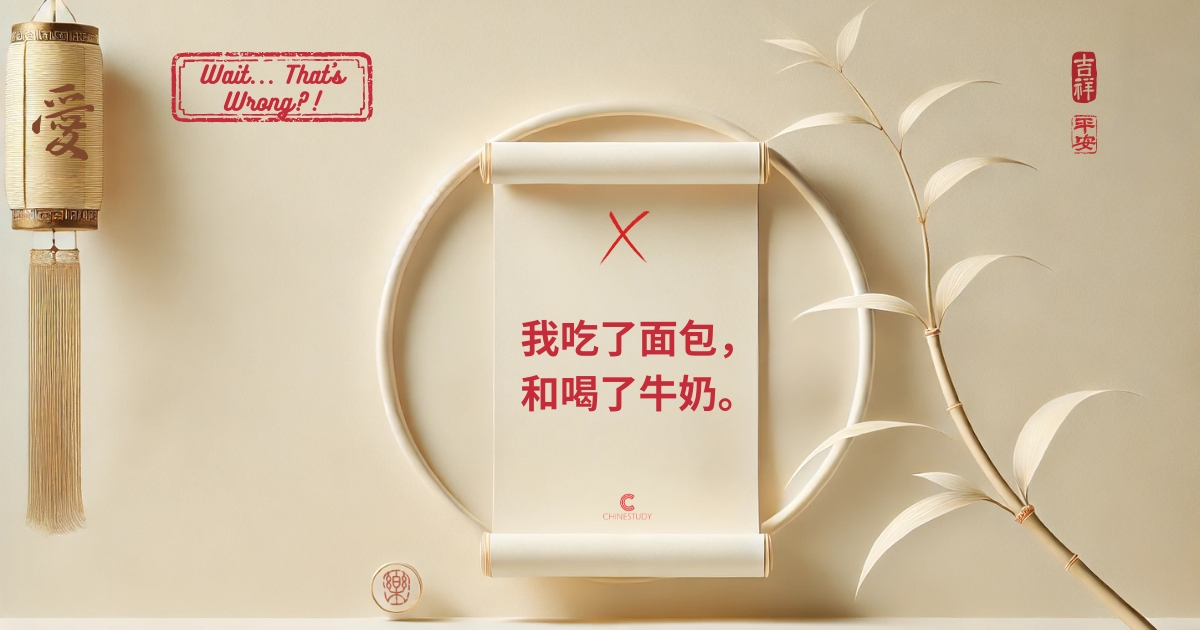
😅 我吃了面包,和喝了牛奶?Wait… That’s Wrong?!
Said “我吃了面包,和喝了牛奶”?Sounds natural in English, but it’s a typical Chinese mistake! Learn how to connect actions correctly using 也 or 还, with examples and fun practice.
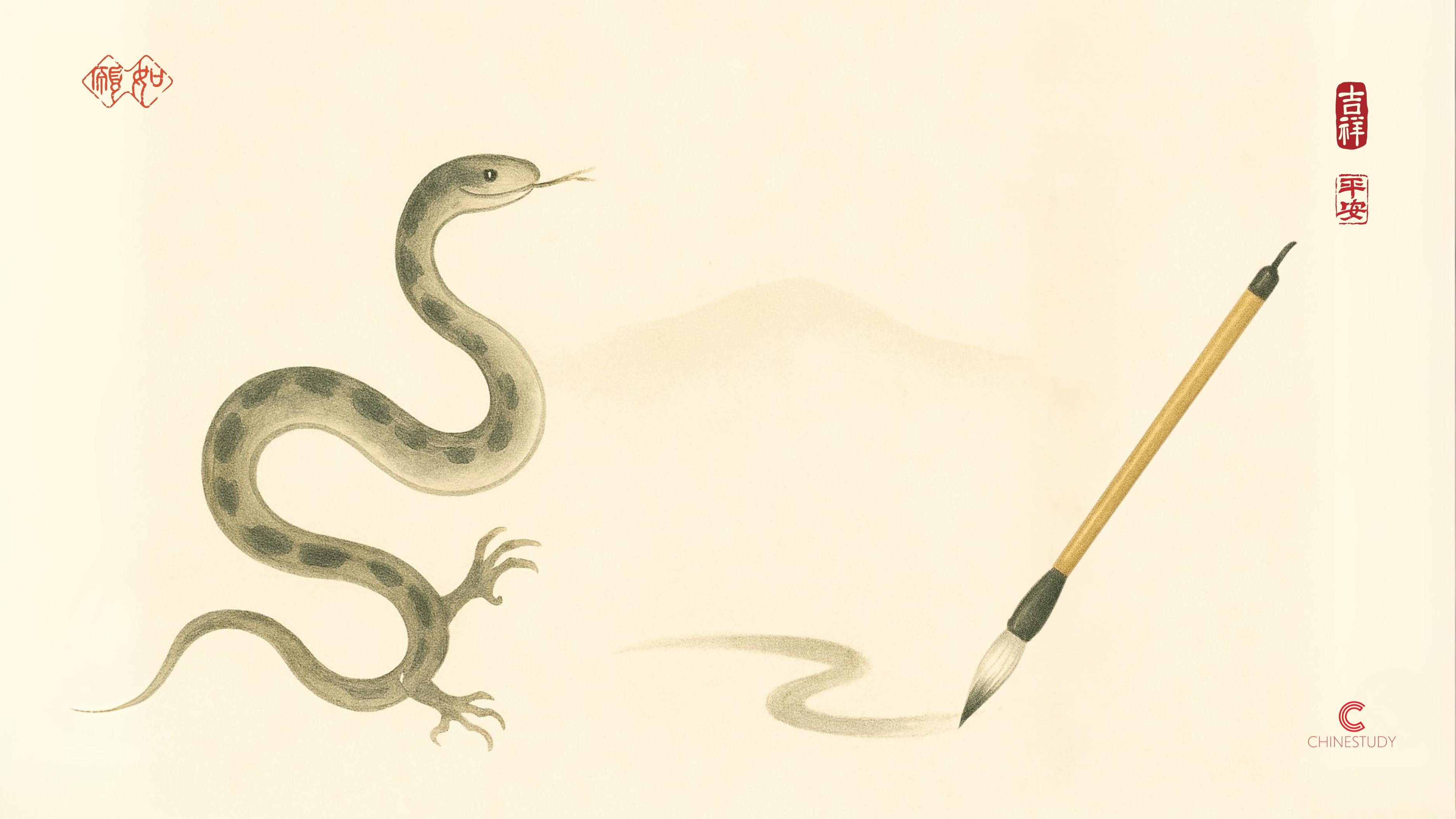
🐍 画蛇添足 huà shé tiān zú – Ruin the Perfect by Adding Too Much
Discover the story behind the famous Chinese idiom 画蛇添足 (huà shé tiān zú) — a fun yet wise expression that warns against doing too much and ruining something already good.
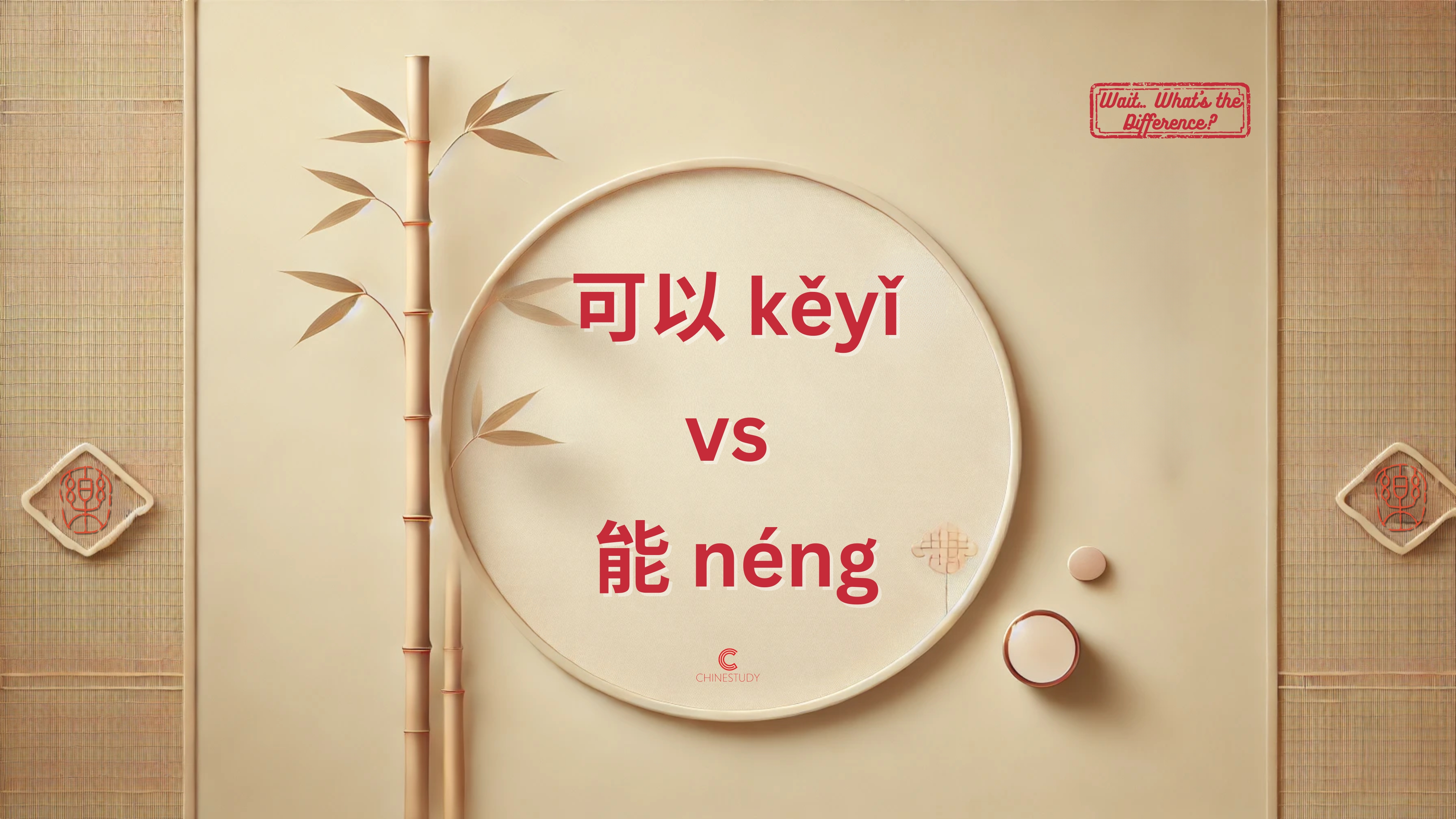
🧐 可以 kěyǐ vs 能 néng – What’s the Difference?
Confused about when to use 可以 and when to use 能? This guide makes it simple! Learn how to express permission and ability with real-life examples and fun practice.

😅 三个人们?Wait… That’s Wrong?!
Ever said “三个人们 (sān ge rénmen)” to mean “three people”? It sounds okay in English, but it’s actually a common Chinese mistake! Learn when to use 人 vs. 人们 with clear rules, examples, and fun practice.
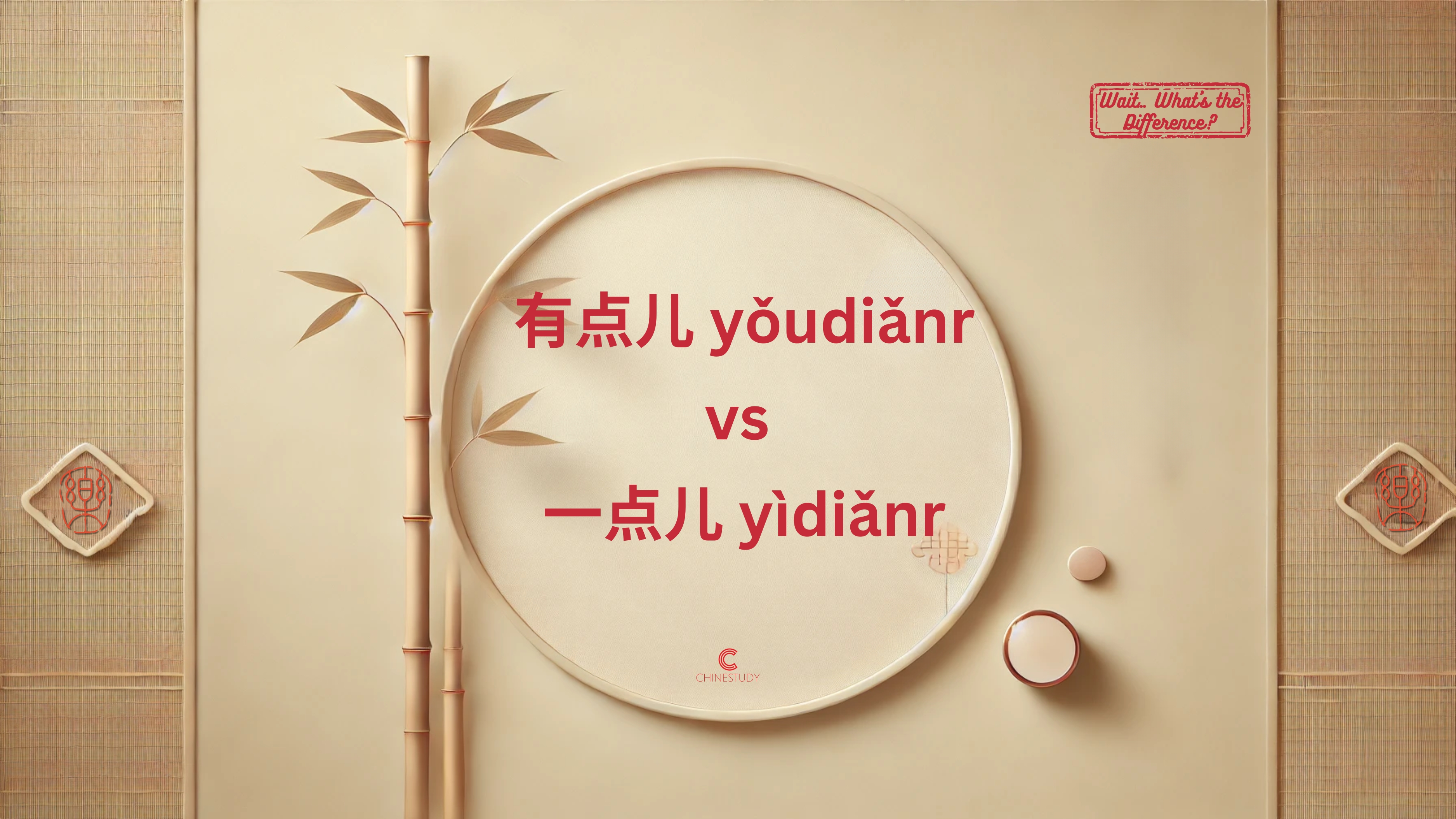
🧐 有点儿 yǒudiǎnr vs 一点儿 yìdiǎnr – What’s the Difference?
Learn the difference between 有点儿 and 一点儿 in Chinese. This clear and fun guide explains when to use each word with easy examples and common mistakes to avoid.

😅 我今天二点上课?Nope! Say 两点 – Here’s Why
Many learners say “二点” when talking about time—but that’s not correct! Learn why it should be “两点” and why “十二点” is fine.
🧐 能 néng vs. 会 huì – What’s the Difference?
What’s the difference between 能 (néng) and 会 (huì)? Both mean "can," but they’re used differently! This blog explains how to use them with fun examples and easy tips.

😅 我起床八点 Wait… That’s Wrong?!
Do you say “我起床八点”? That sounds okay in English, but it’s wrong in Chinese! Learn where to place time words like 八点 in your sentences.
🔍 帮 bāng vs 帮忙 bāngmáng – What’s the Difference?
Learn how to use 帮 and 帮忙 correctly in Chinese. This short guide explains the difference with clear examples and helpful tips for learners.

😅 他是高 Wait… That’s Wrong?!
Do you say "他是高"? It's a common mistake! Learn why you shouldn't use 是 (shì) before adjectives in Chinese, and how to say it right.
🔍 找 zhǎo vs 找到 zhǎodào – What’s the Difference?
What’s the difference between 找 (zhǎo) and 找到 (zhǎodào)? If you’re confused about when to use each, this blog will make it crystal clear!
🔍 还是 háishì vs 或者 huòzhě – What’s the Difference?
Learn when to use 还是 (háishì) and when to use 或者 (huòzhě) in Chinese. This post explains the difference with clear examples, common mistakes, and fun practice. Perfect for beginner learners!

😅 我想一个苹果。 Wait… That’s Wrong?!
Do you say "我想一个苹果"? It's a common mistake! Learn the difference between 想 (xiǎng) and 想要 (xiǎngyào) to avoid this error.

😅 我有二个哥哥。 Wait… That’s Wrong?!
Do you say "我有二个哥哥"? Many learners do—but it's wrong! Learn when to use 二 (èr) and when to use 两 (liǎng) in Chinese.
🧐 再 zài vs. 又 yòu – What’s the Difference?
Confused about 再 (zài) and 又 (yòu)? Learn the difference with easy examples and clear explanations. Know exactly when to use each one and avoid common mistakes!

😅 我见面了一个朋友。 Wait… That’s Wrong?!
Do you say "我见面了一个朋友"? It's a common mistake! Learn how to correctly use the separable verb 见面 (jiànmiàn) in Chinese.
🧐 看 kàn vs. 看见 kànjiàn – What’s the Difference?
Confused about 看 (kàn) and 看见 (kànjiàn)? 看 is for looking or watching, while 看见 means successfully seeing something. Learn how to use both with simple tips and examples!