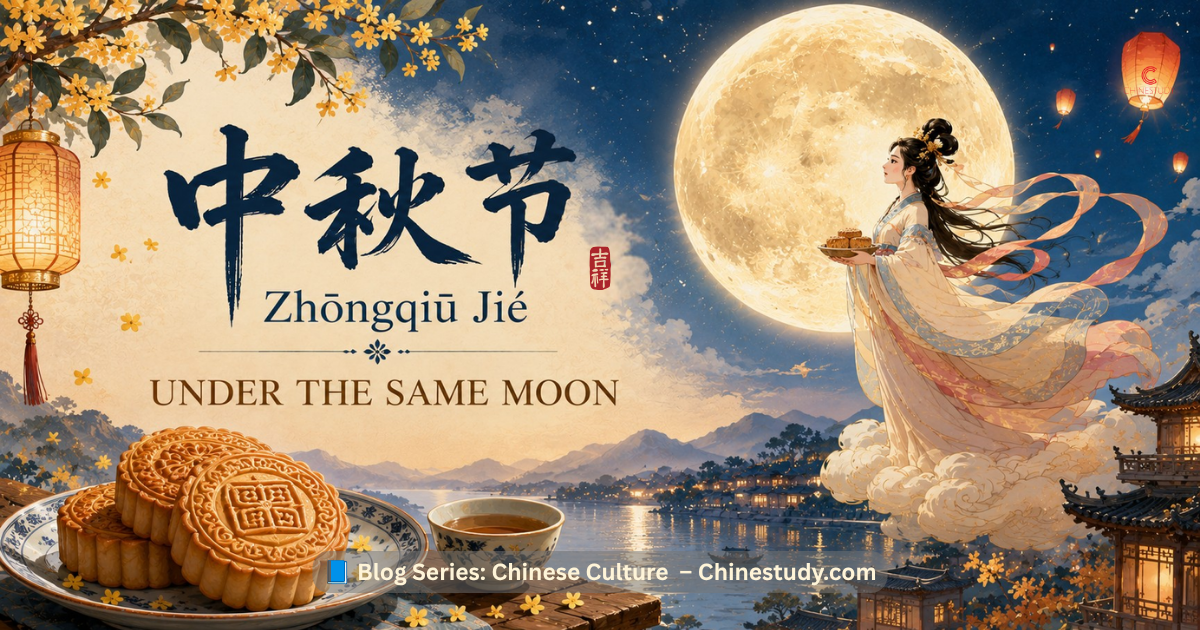
🌕 中秋节 Zhōngqiū Jié – When the Moon Brings Families Together
Under the same full moon, families gather, share mooncakes, and think of loved ones far away. Discover the traditions, legend, and meaning of 中秋节.
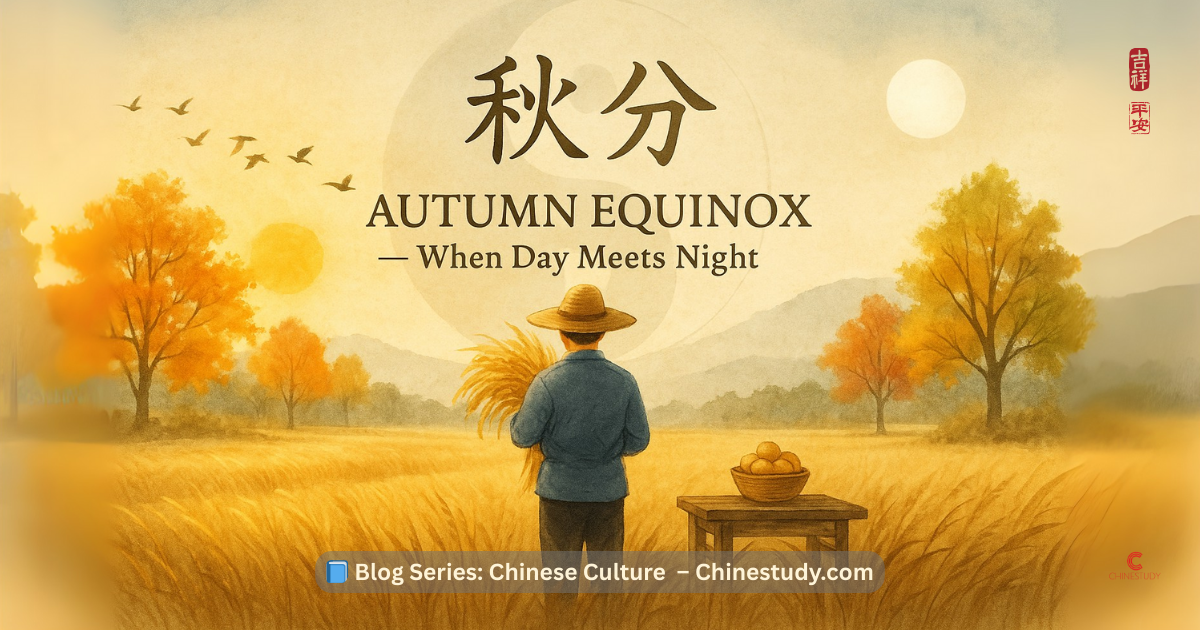
🍁 秋分 Qiūfēn – When Day Meets Night
On the day of 秋分 (Qiūfēn), daytime and nighttime are perfectly balanced. Learn how this solar term celebrates harmony in nature, harvest traditions, and cultural insights in China.
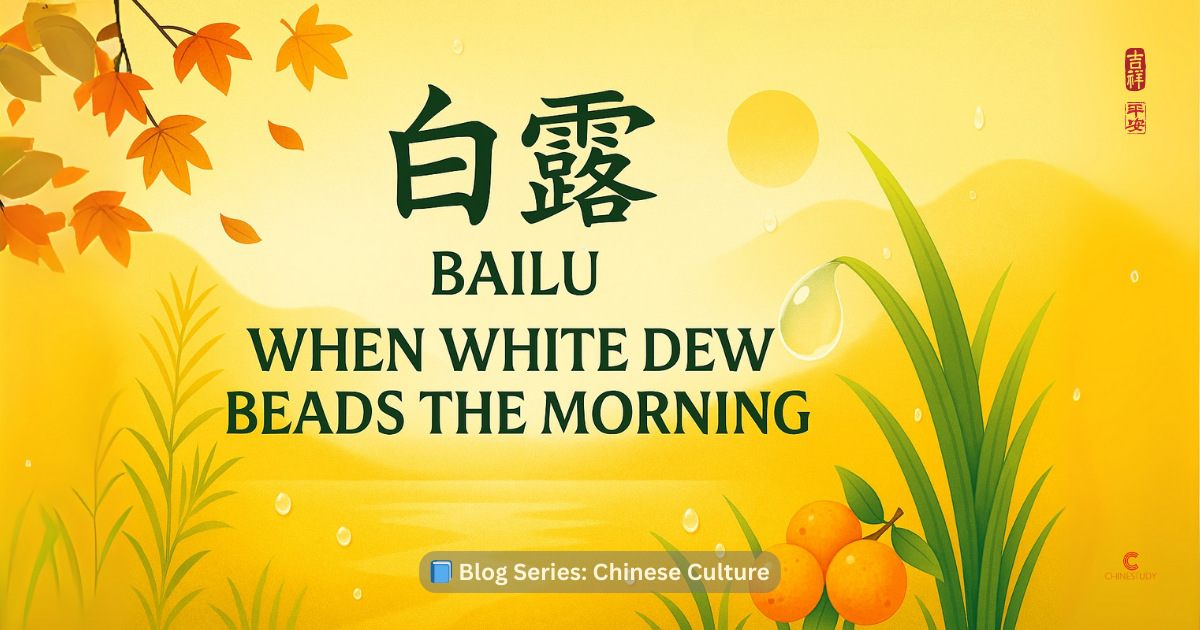
❄️ 白露 Báilù – When Dew Turns White
White Dew (Báilù) marks the arrival of real autumn in Chinese culture. Explore its meaning, traditions, and how it reflects the beauty of seasonal change.
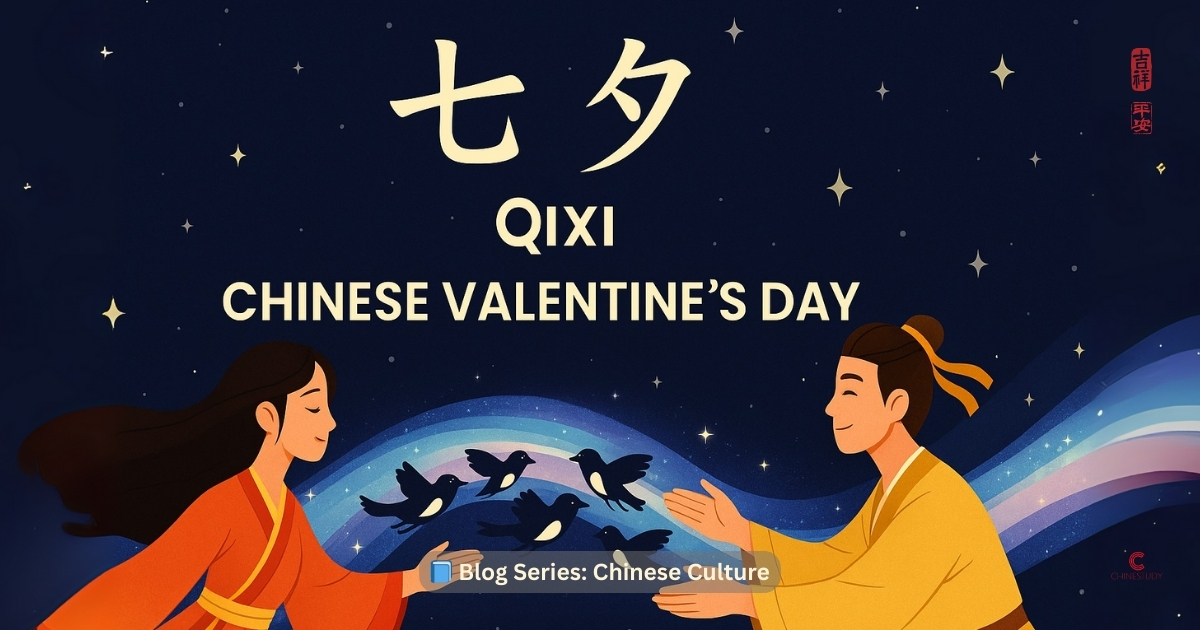
💕 七夕 Qīxī – When Love Crosses the Stars
A love story that defies the heavens — discover the legend of 七夕 (Qīxī), the romantic festival behind Chinese Valentine’s Day. 🌌
🌾 处暑 Chǔshǔ – When the Summer Heat Starts to Fade
Ever felt the summer heat slowly loosen its grip? That’s Chǔshǔ (处暑) whispering, “It’s almost over.” But don’t let your guard down too soon—autumn still hides its surprises.
🍂 立秋 Lìqiū – When Autumn Knocks on the Door
Lìqiū (立秋) doesn’t shout — it whispers. And with it come changes in the wind, on your plate, and maybe… in your mood too.
🔥 大暑 Dàshǔ – When Summer Reaches Its Peak
大暑 (Dàshǔ) marks the hottest days of summer in China. Learn how people stay cool, what foods help, and why this solar term teaches us about balance.
🌿 二十四节气 – The 24 Solar Terms in Chinese Culture
Learn what the 24 solar terms (二十四节气) are and how they help shape Chinese daily life, language, and traditions. A beautiful guide to understanding the seasons in Chinese culture.
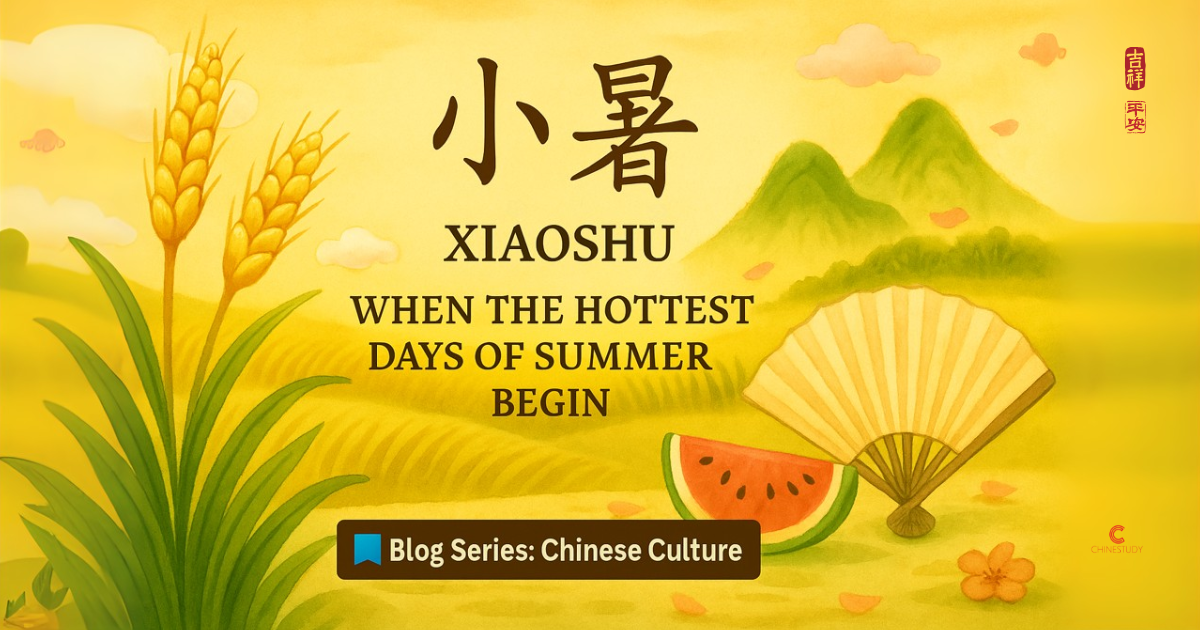
🍉 小暑 Xiǎoshǔ – The First Signs of Summer Heat in China
Learn what 小暑 (Xiǎoshǔ) means, how people respond to the heat, and why this solar term matters in Chinese life and language.
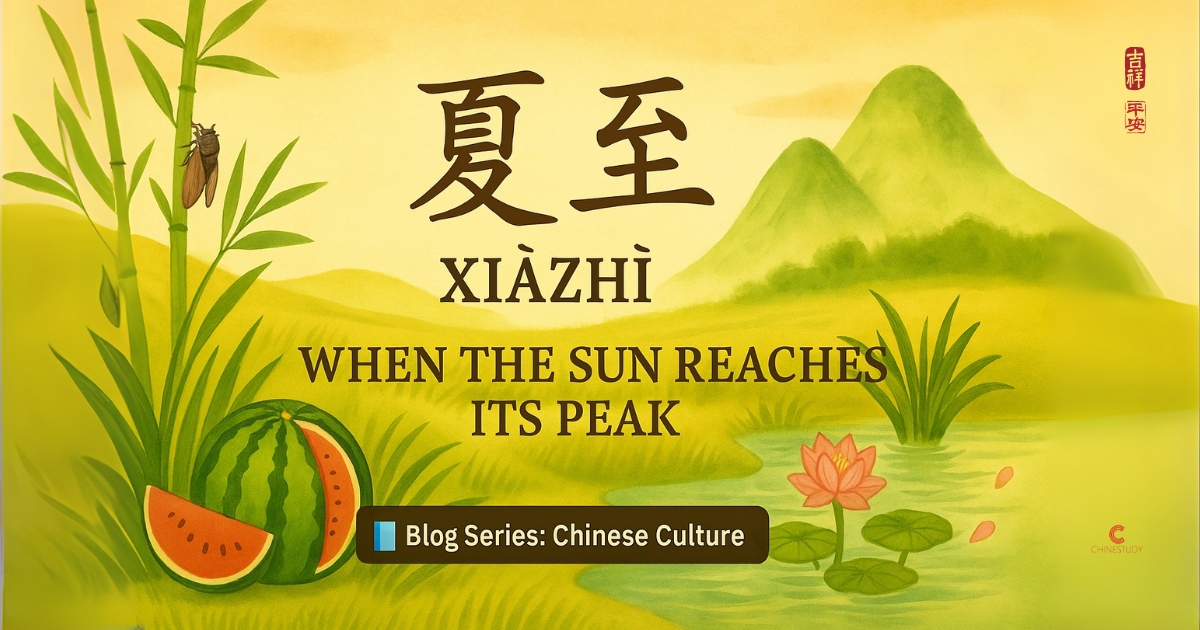
☀️ 夏至 Xiàzhì – The Longest Day of Sunlight and Noodles
夏至 (Xiàzhì) marks the longest day of the year in China. Discover how this solar term connects nature, tradition, and the simple joy of noodles.
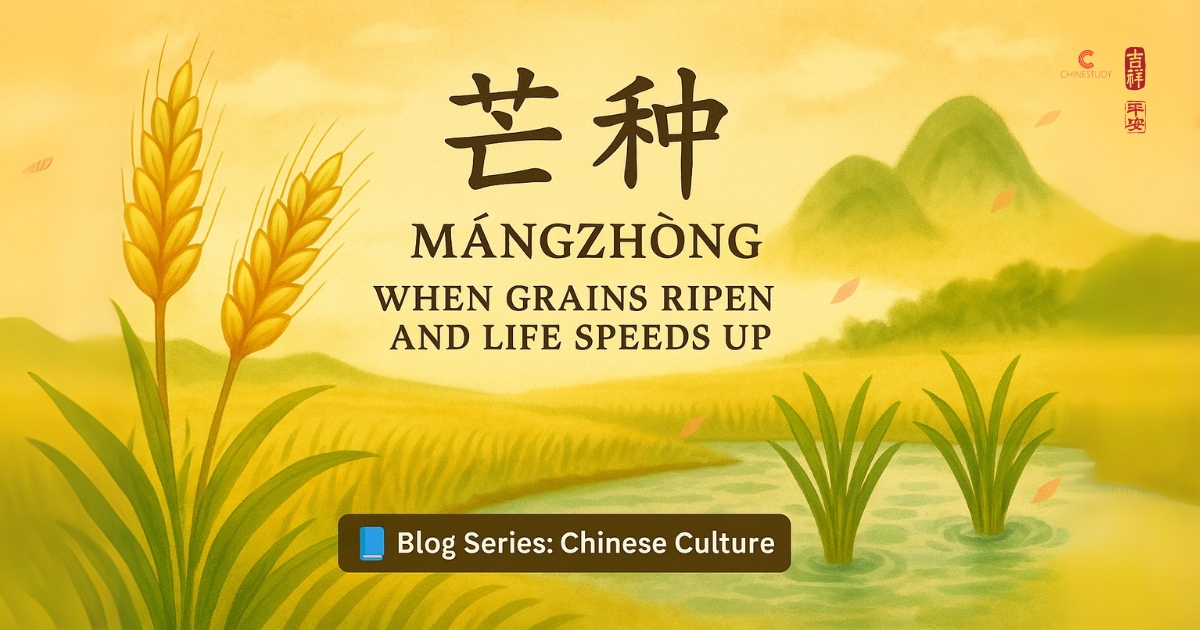
🌾 芒种 Mángzhòng – When Grains Ripen and Life Speeds Up
芒种 (Mángzhòng) marks the time when grains ripen and rice planting begins. Learn what it means in Chinese culture — and how to talk about it in Mandarin.
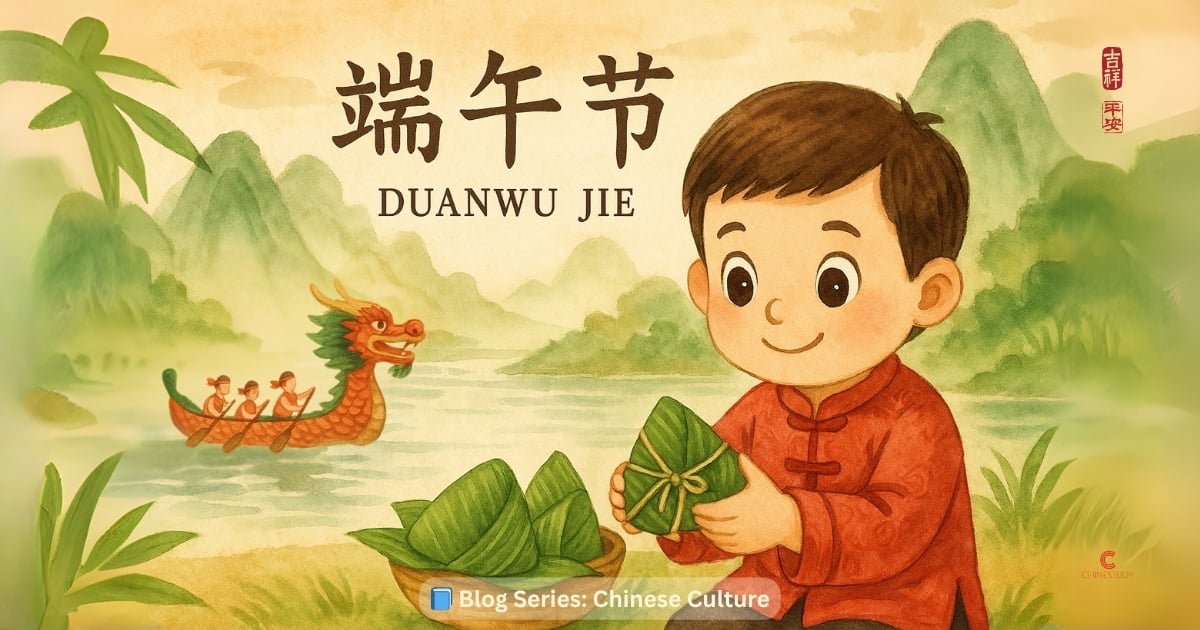
🐉 端午节 Duānwǔ Jié – The Story and Traditions of Dragon Boat Festival
Discover the meaning behind Duānwǔ Jié (端午节), one of China’s most beloved festivals. Learn the story of Qu Yuan, explore how people celebrate today, and boost your vocabulary with real-life examples.