
😅 昨天我没去公园了。 Wait… That’s Wrong?!
Learn why “没” and “了” don’t go together, and how to talk about things that didn’t happen — the right way.
🧐 知道 zhīdào vs. 认识 rènshi – What’s the Difference?
Confused about the difference between 知道 zhīdào and 认识 rènshi? Learn how to use these two Chinese verbs correctly, with clear examples and fun practice!

😅 昨天我不去公园。 Wait… That’s Wrong?!
Think "昨天我不去公园" is okay? Not quite! Discover why this common mistake happens and how to fix it with one simple rule about 不 and 没.
🧐 几 jǐ vs 多少 duō shǎo – What’s the Difference?
🧐 What’s the difference between 多少 (duō shǎo) and 几 (jǐ)? Learn when to use each with simple examples and one easy tip for everyday Chinese!
🧐 听 tīng vs 听见 tīng jiàn – What’s the Difference?
🧐 What’s the difference between 听 (tīng) and 听见 (tīng jiàn)? Learn how to use them correctly with simple examples and an easy tip!

Speak Chinese with Confidence: Your Ultimate Guide to Improving Your Speaking Skills
Learn how to develop your Chinese-speaking skills with our comprehensive guide. Get tips on understanding tones, listening to audio files, using mnemonics to memorize tones and more! Reach higher levels of fluency in no time.
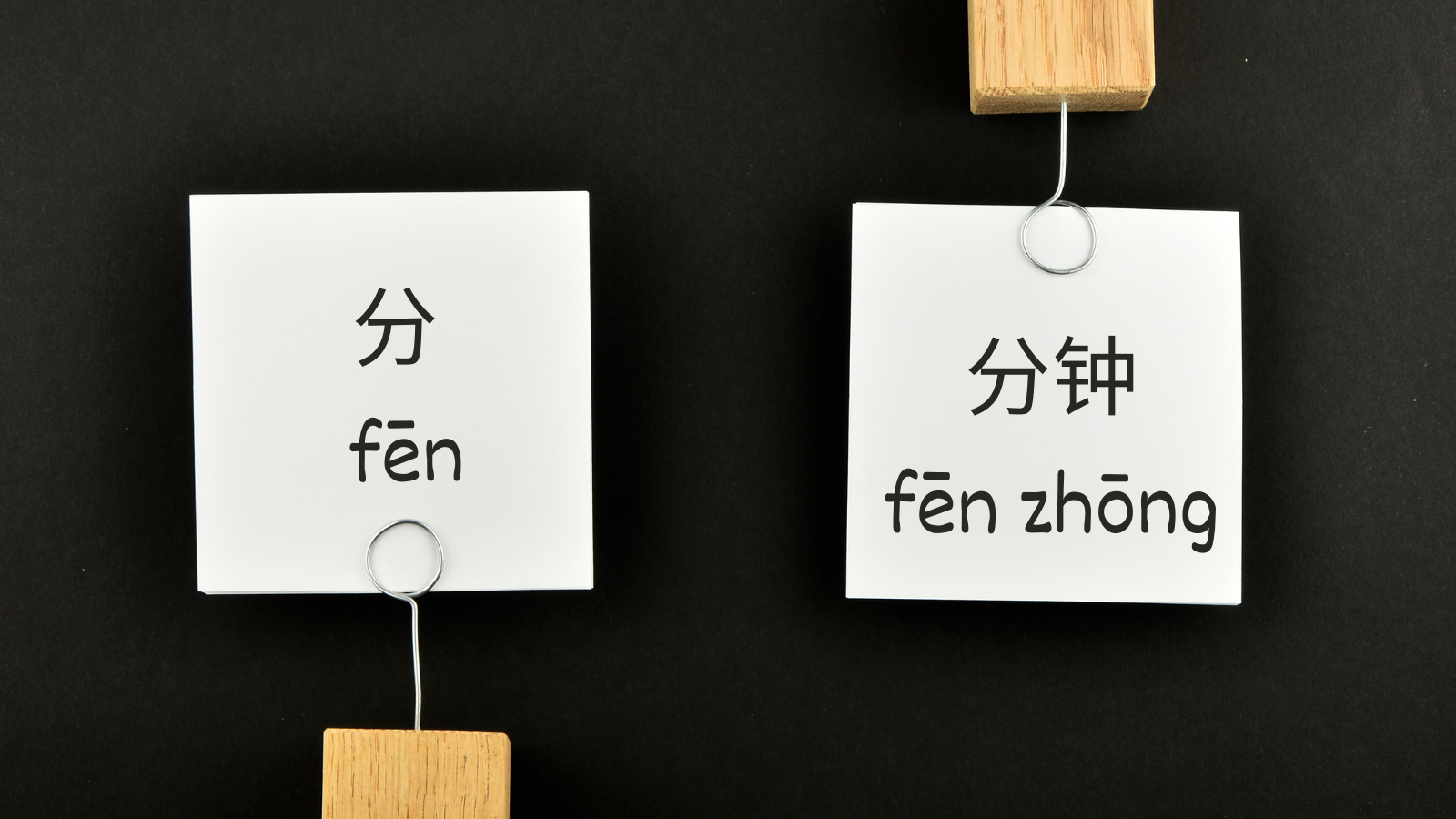
分 (fēn) and 分钟 (fēnzhōng): The Difference in Meaning and Usage in Chinese
Learn the difference between the Chinese words 分 (fēn) and 分钟 (fēnzhōng), their unique connotations, and get insight on how to use them for your own conversations with native speakers.

Mastering the eight essential strokes of Chinese characters
Learn the eight basic stroke types and how to write Chinese characters with confidence. Discover the fundamental building blocks of Mandarin Characters and take your first step in mastering them with Chinestudy.

How to Start a Conversation with Chinese People: Tips and Examples for Beginners
Trying to break the ice and make connections with native Chinese speakers? We'll give you all the tips and examples you need to get started! Learn how to start conversations with native speakers today.
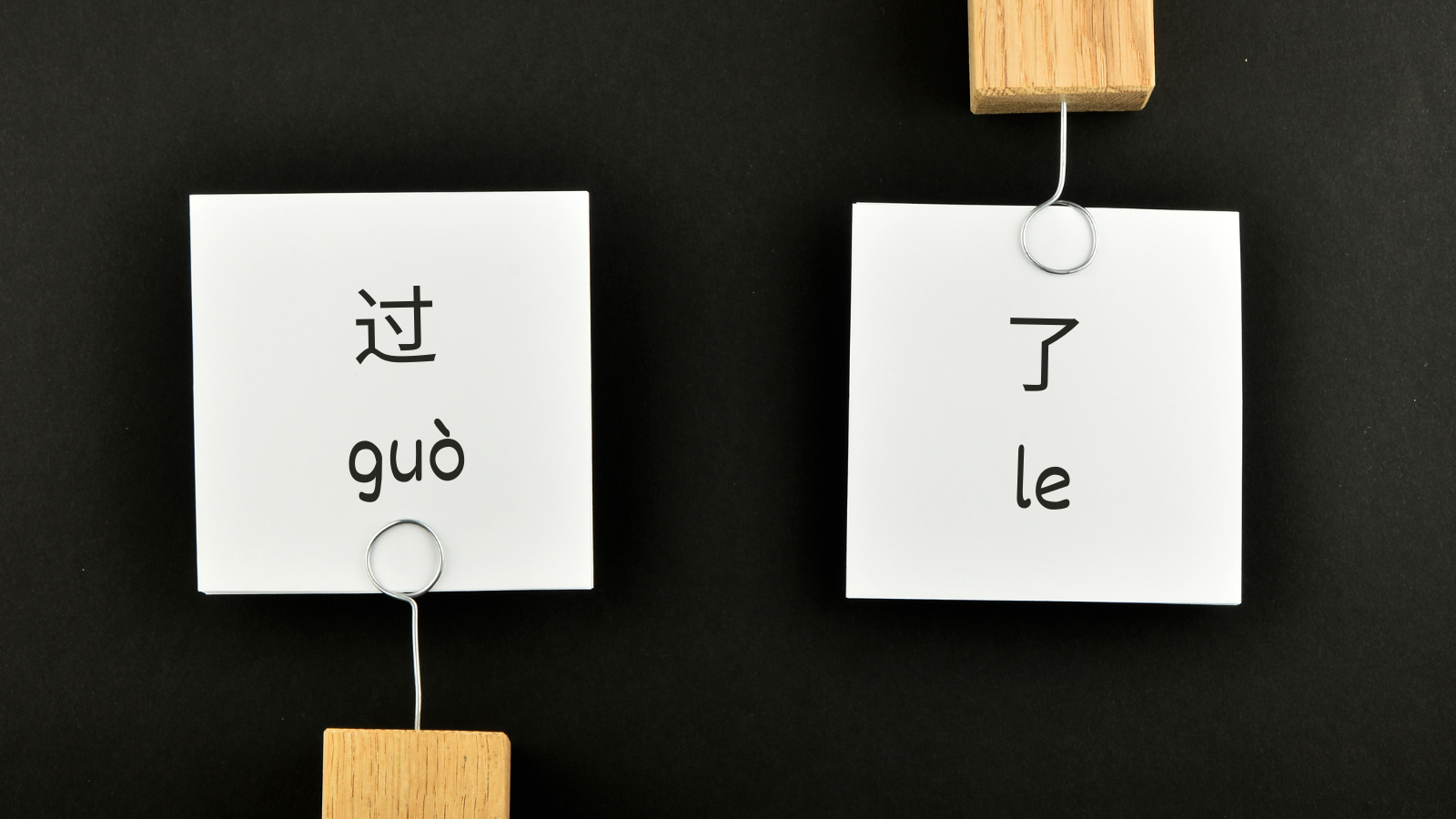
What's the difference? 过 (guò) vs 了 (le)
Did you know that mastering 过 (guò) and 了(le) is a cornerstone in Chinese language proficiency? Let's delve into the art of using these two vital words - why, when and how to use them!
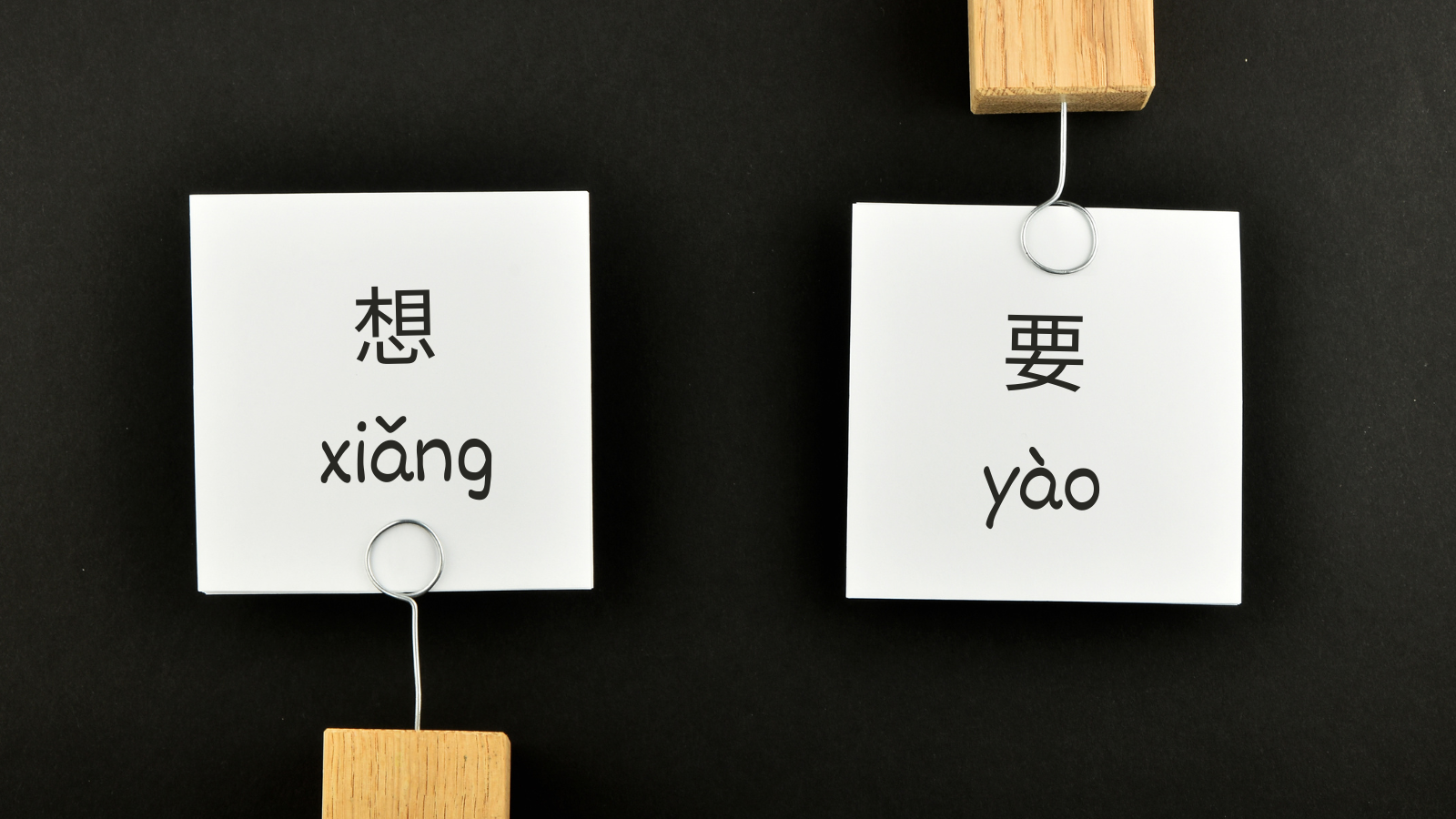
想 (xiǎng) vs 要 (yào) | The Differences Explained
Are you trying to learn the subtle differences between the Chinese words 想 (xiǎng) and 要 (yào)? Learn exactly how they are used with examples so you can understand them better in context.

Learning Chinese with Audio Files: Your Step-by-Step Guide
Are you looking for a guide on how to learn Chinese by listening to audio files? Look no further! This step-by-step guide will help make your language learning journey a breeze.

Why is it important to keep listening to audio files when learning Chinese?
Audio files can be your best friend when it comes to mastering the Chinese language. Learn why you should keep listening to audio files and how they can help you improve your skills.

How to Play Flashcards Games to Learn Chinese
Whether you use real cards or digital ones, there are a few things you need to do to set up and play your game. Let's look at how to set up and play your Chinese flashcard game so you can quickly and effectively practice the language.