
How to Say “I Don’t Know” Like a Native — Not Just “我不知道”
“我不知道” sounds flat and too direct in daily conversations. Learn how to sound more natural by saying “不太清楚” — a softer and more real-life way to say “I’m not sure.”
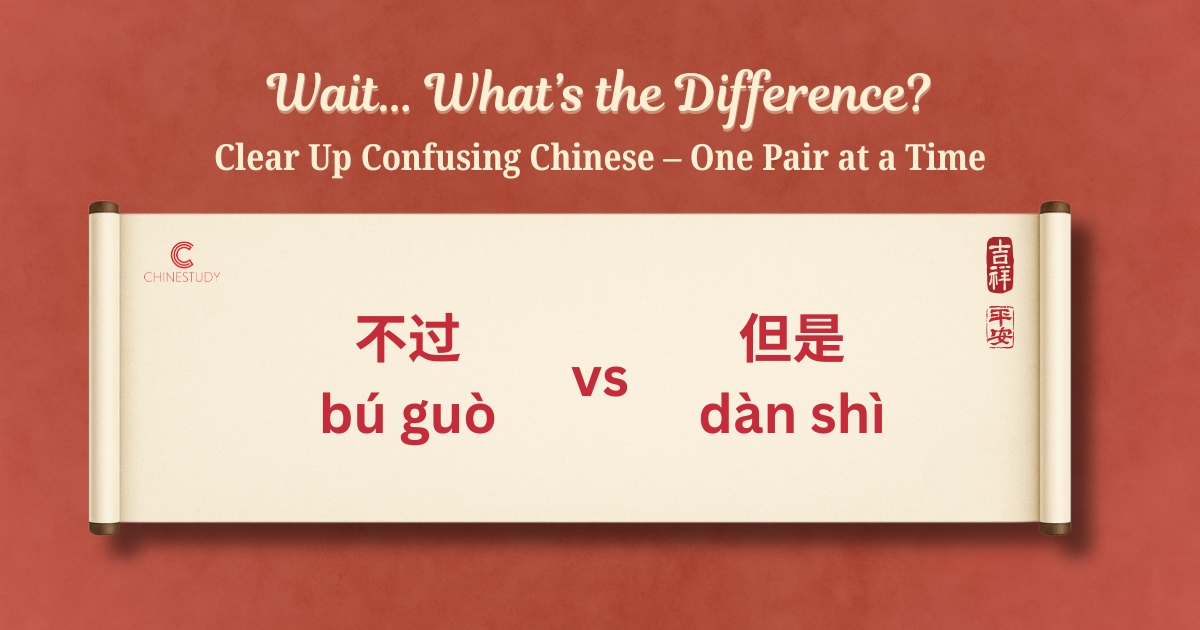
🧐 不过 búguò vs 但是 dànshì – What’s the Difference?
Think 不过 and 但是 both mean “but”? You’re not wrong — but they feel very different! This blog shows how to use each one naturally, with examples, grammar tips, and a short quiz.
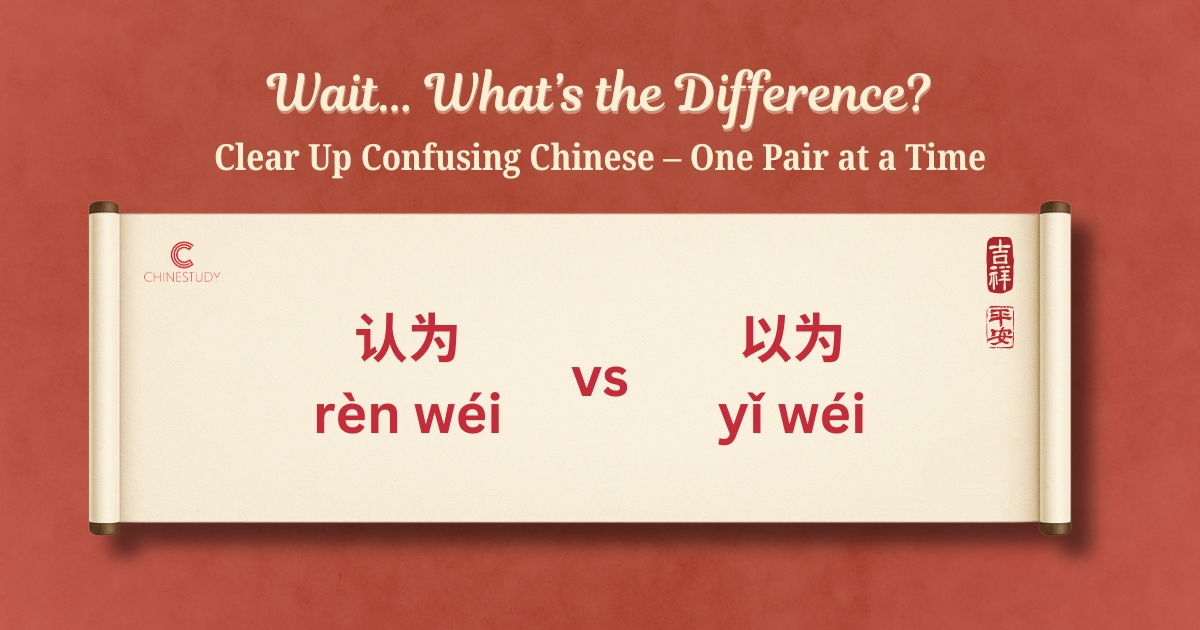
🤔 认为 rènwéi vs 以为 yǐwéi – What’s the Difference?
认为 vs 以为 — they both mean “to think,” but one is what you believe and the other is what you thought… but were wrong! This blog shows the difference with simple examples and a quiz.

😅 我吃了面包,和喝了牛奶?Wait… That’s Wrong?!
Said “我吃了面包,和喝了牛奶”?Sounds natural in English, but it’s a typical Chinese mistake! Learn how to connect actions correctly using 也 or 还, with examples and fun practice.

🧐 有点儿 yǒudiǎnr vs 一点儿 yìdiǎnr – What’s the Difference?
Learn the difference between 有点儿 and 一点儿 in Chinese. This clear and fun guide explains when to use each word with easy examples and common mistakes to avoid.
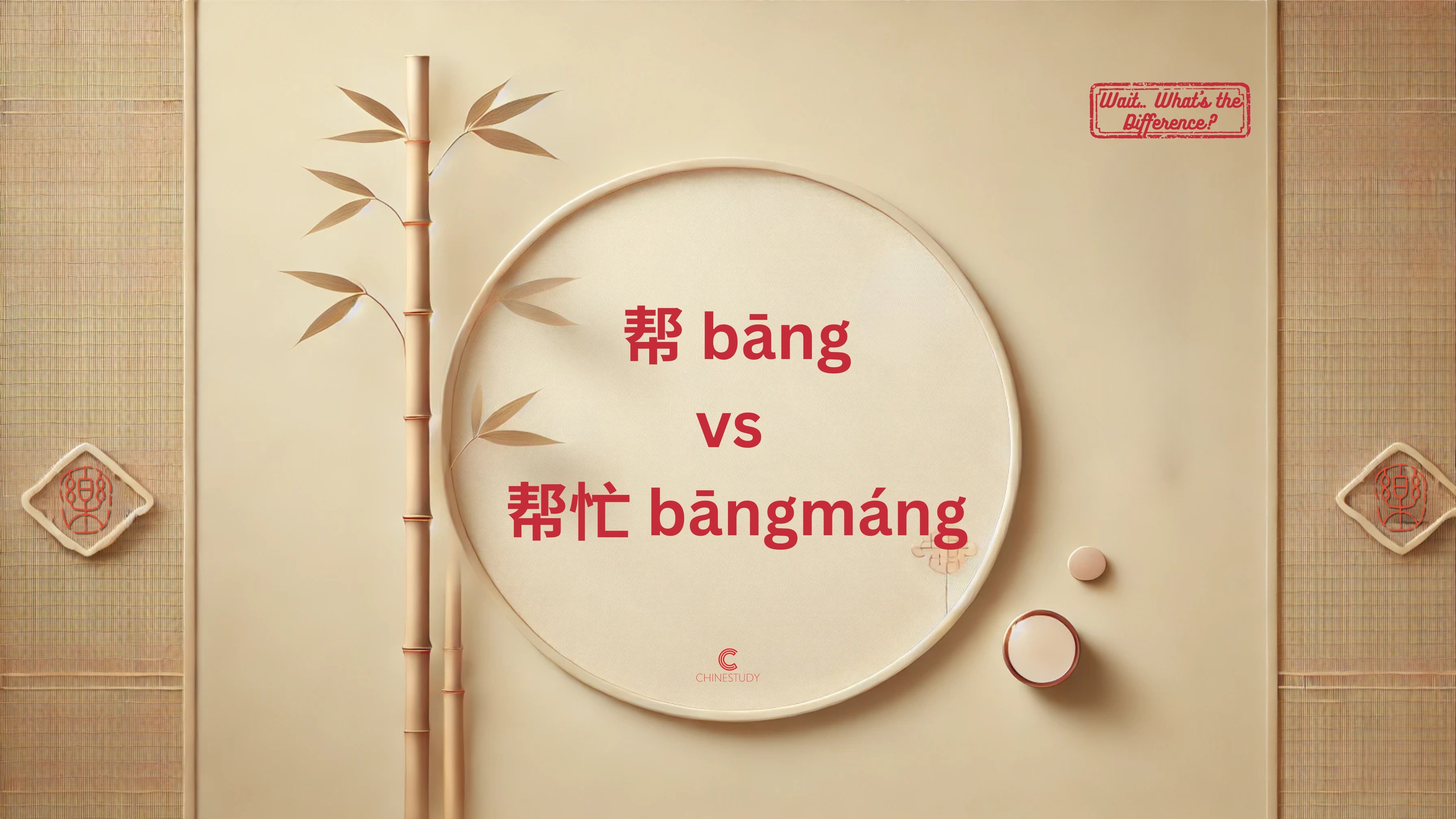
🔍 帮 bāng vs 帮忙 bāngmáng – What’s the Difference?
Learn how to use 帮 and 帮忙 correctly in Chinese. This short guide explains the difference with clear examples and helpful tips for learners.
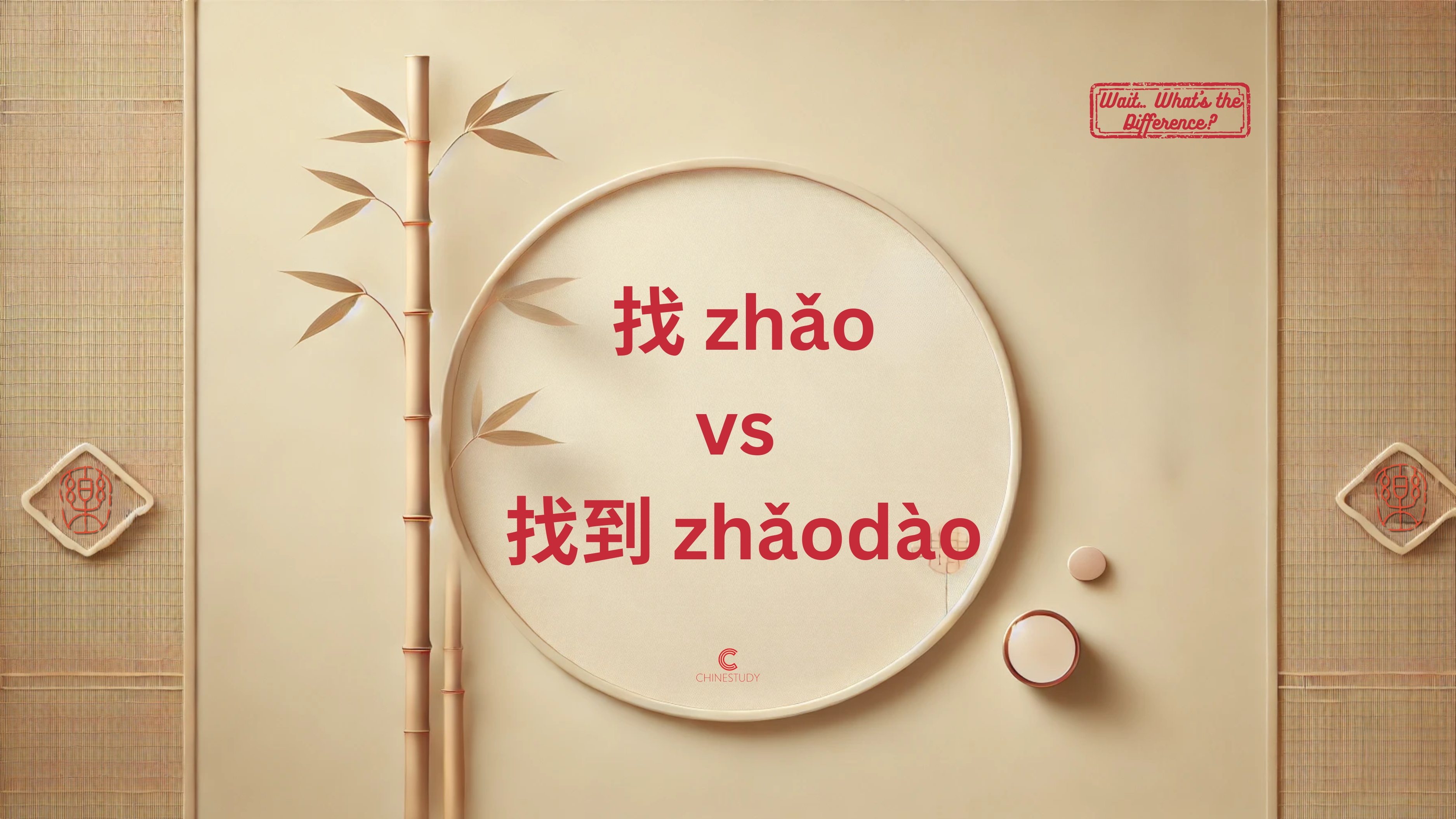
🔍 找 zhǎo vs 找到 zhǎodào – What’s the Difference?
What’s the difference between 找 (zhǎo) and 找到 (zhǎodào)? If you’re confused about when to use each, this blog will make it crystal clear!

😅 我有二个哥哥。 Wait… That’s Wrong?!
Do you say "我有二个哥哥"? Many learners do—but it's wrong! Learn when to use 二 (èr) and when to use 两 (liǎng) in Chinese.

🧐 再 zài vs. 又 yòu – What’s the Difference?
Confused about 再 (zài) and 又 (yòu)? Learn the difference with easy examples and clear explanations. Know exactly when to use each one and avoid common mistakes!

🧐 知道 zhīdào vs. 认识 rènshi – What’s the Difference?
Confused about the difference between 知道 zhīdào and 认识 rènshi? Learn how to use these two Chinese verbs correctly, with clear examples and fun practice!
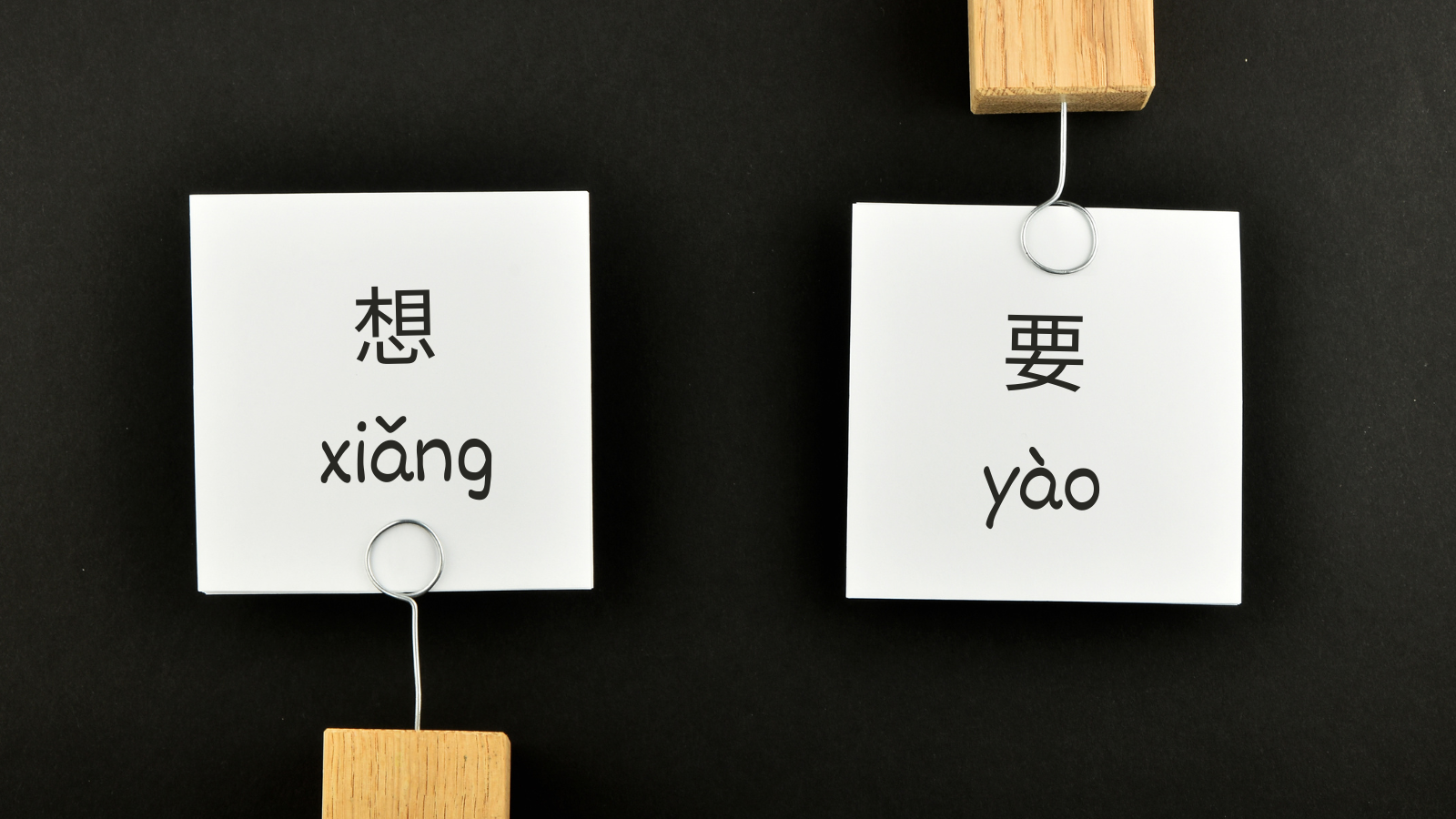
想 (xiǎng) vs 要 (yào) | The Differences Explained
Are you trying to learn the subtle differences between the Chinese words 想 (xiǎng) and 要 (yào)? Learn exactly how they are used with examples so you can understand them better in context.