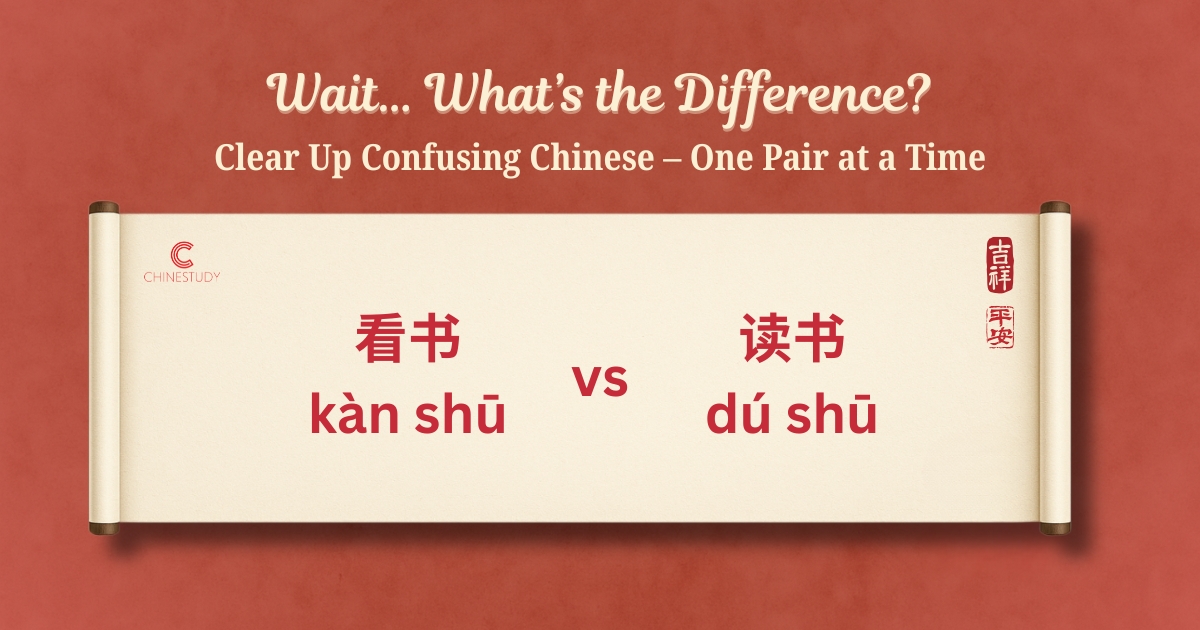
🧐 看书 kàn shū vs 读书 dú shū – What’s the Difference?
Think 看书 and 读书 mean the same thing? Not quite! Learn when to use each one — whether you’re reading for fun or studying hard. This post has clear examples, common mistakes, and a quick quiz to test yourself! 📚✅
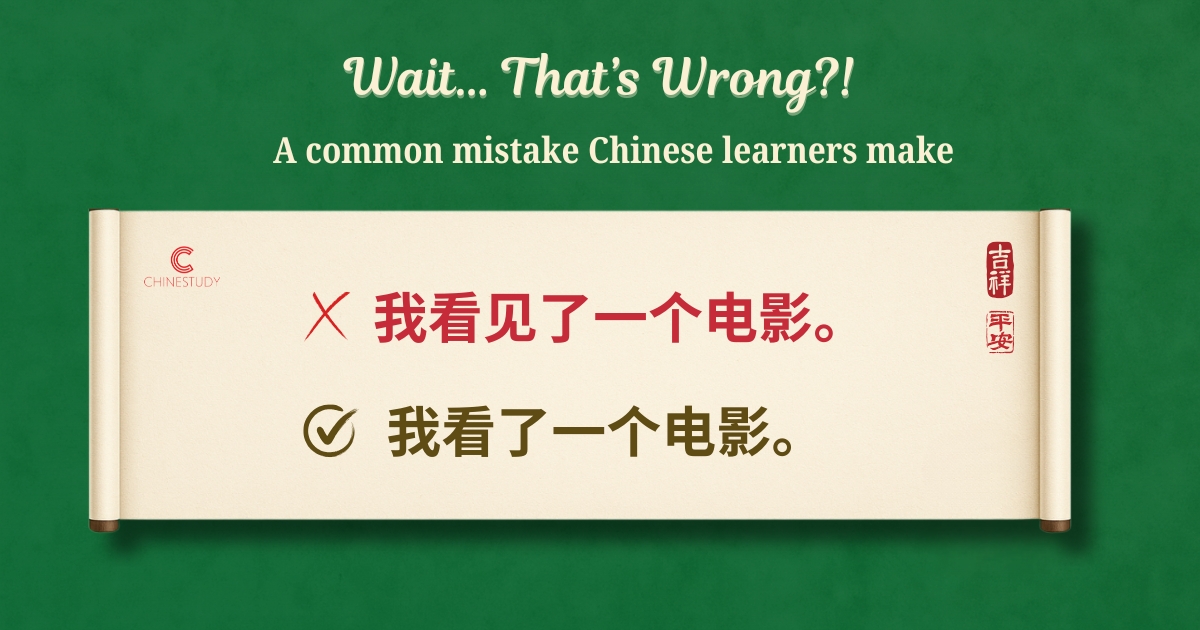
😅 我看见了一个电影。Wait… That’s Wrong?!
Saying “我看见了一个电影” to mean “I watched a movie”? It’s a common mistake! Learn the difference between 看 and 看见 — with clear examples and fun practice.
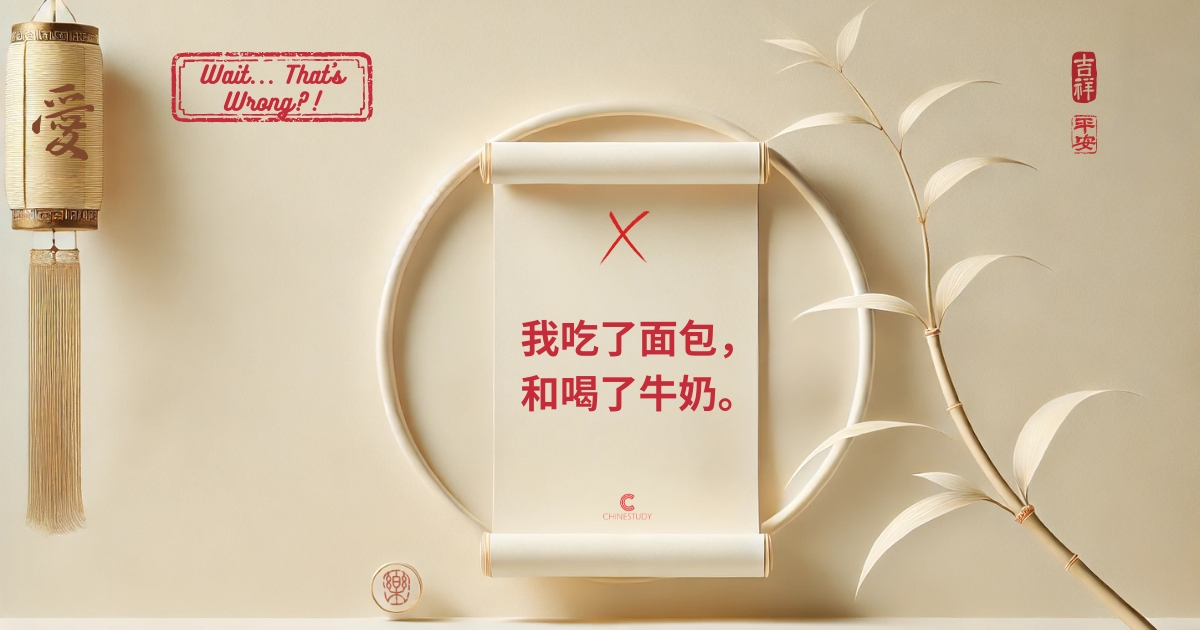
😅 我吃了面包,和喝了牛奶?Wait… That’s Wrong?!
Said “我吃了面包,和喝了牛奶”?Sounds natural in English, but it’s a typical Chinese mistake! Learn how to connect actions correctly using 也 or 还, with examples and fun practice.
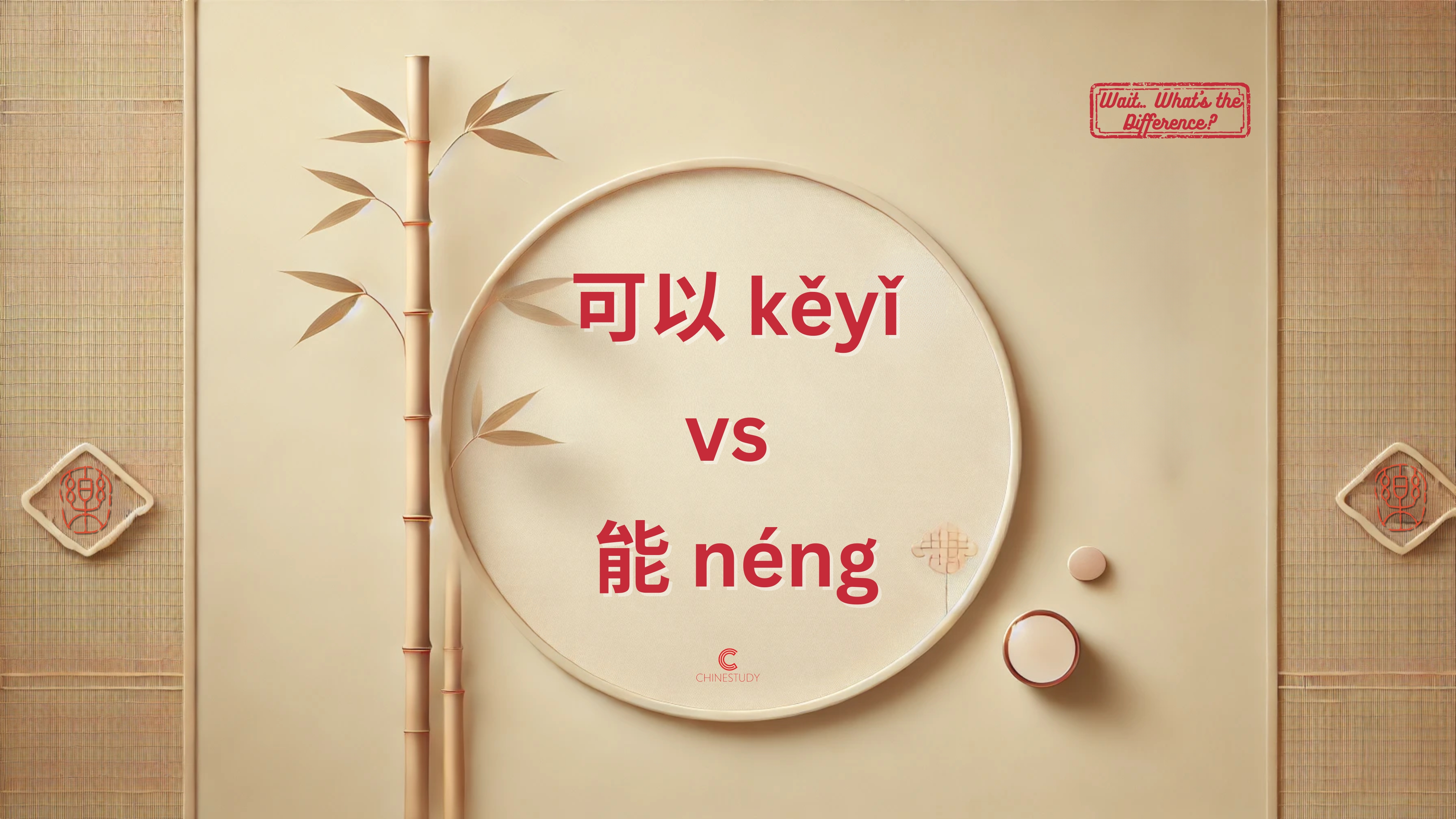
🧐 可以 kěyǐ vs 能 néng – What’s the Difference?
Confused about when to use 可以 and when to use 能? This guide makes it simple! Learn how to express permission and ability with real-life examples and fun practice.
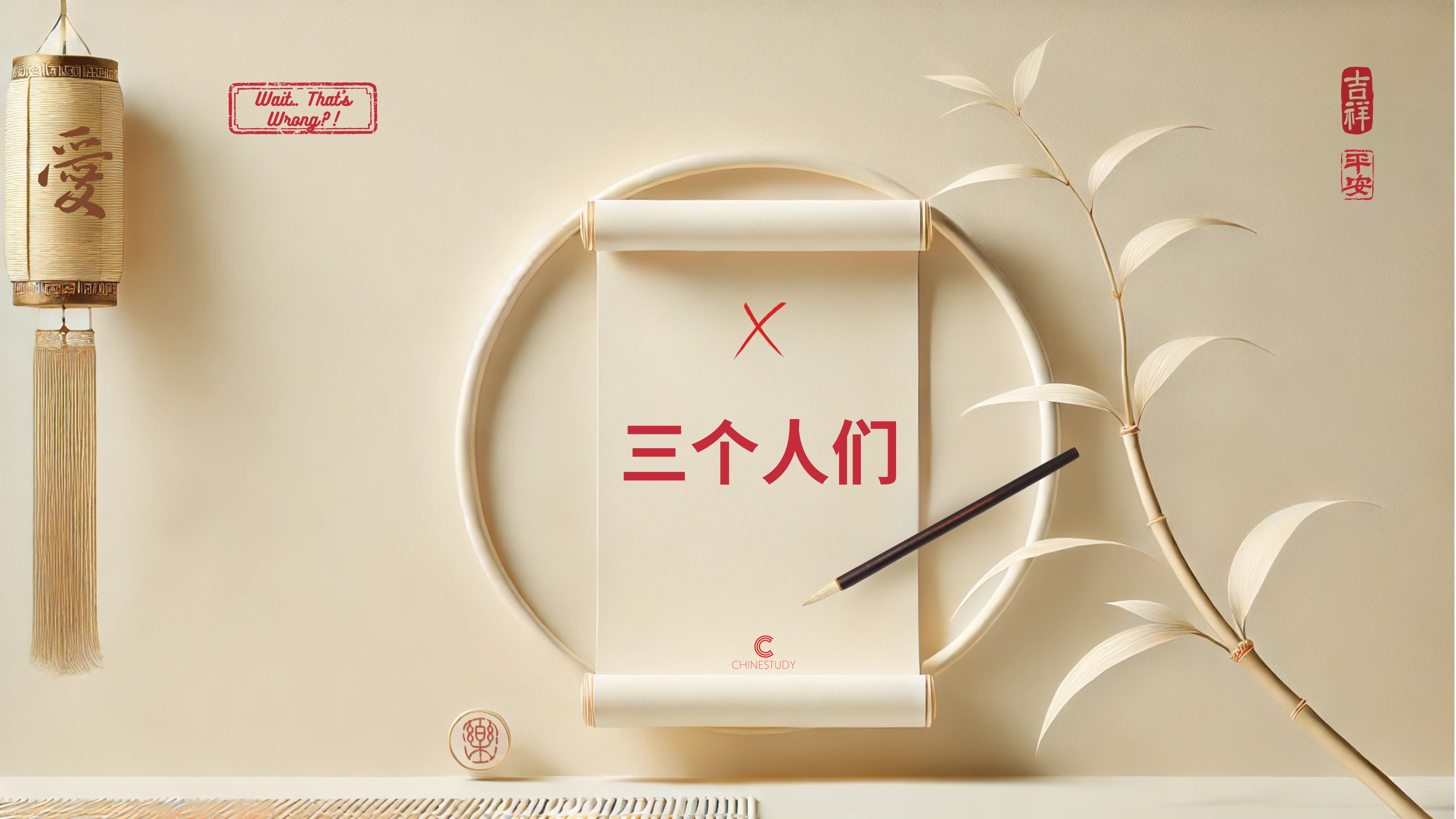
😅 三个人们?Wait… That’s Wrong?!
Ever said “三个人们 (sān ge rénmen)” to mean “three people”? It sounds okay in English, but it’s actually a common Chinese mistake! Learn when to use 人 vs. 人们 with clear rules, examples, and fun practice.
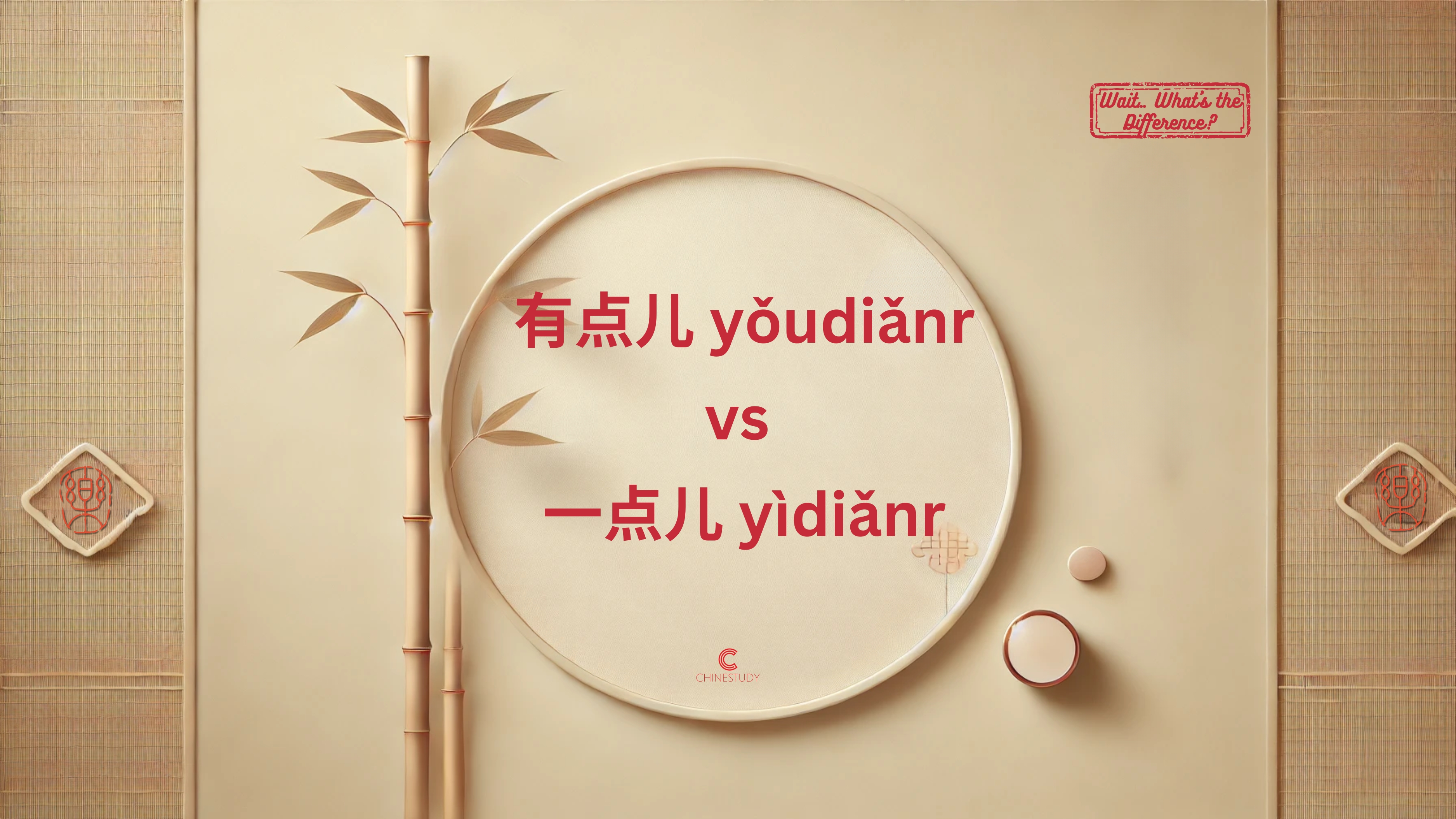
🧐 有点儿 yǒudiǎnr vs 一点儿 yìdiǎnr – What’s the Difference?
Learn the difference between 有点儿 and 一点儿 in Chinese. This clear and fun guide explains when to use each word with easy examples and common mistakes to avoid.
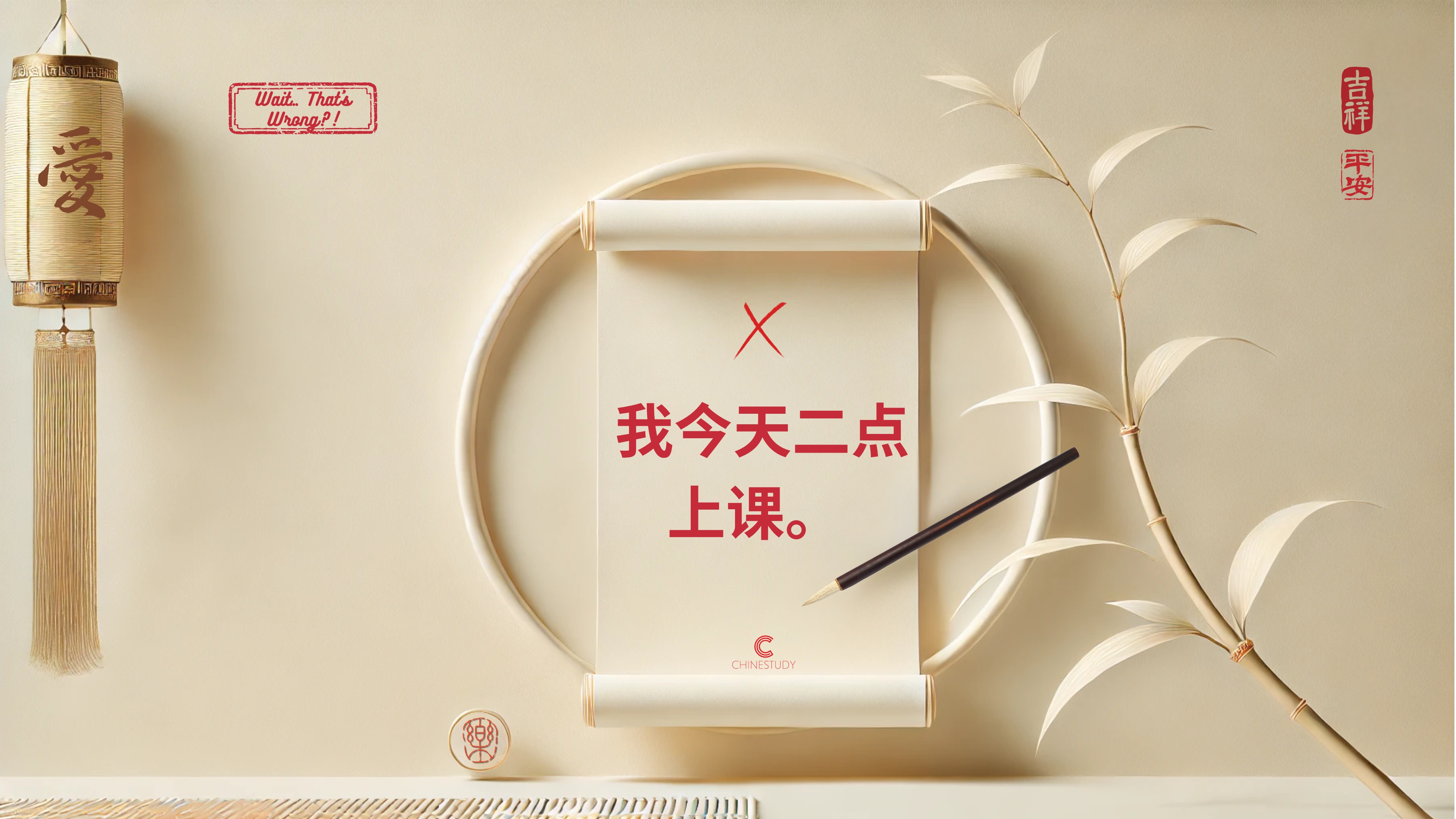
😅 我今天二点上课?Nope! Say 两点 – Here’s Why
Many learners say “二点” when talking about time—but that’s not correct! Learn why it should be “两点” and why “十二点” is fine.
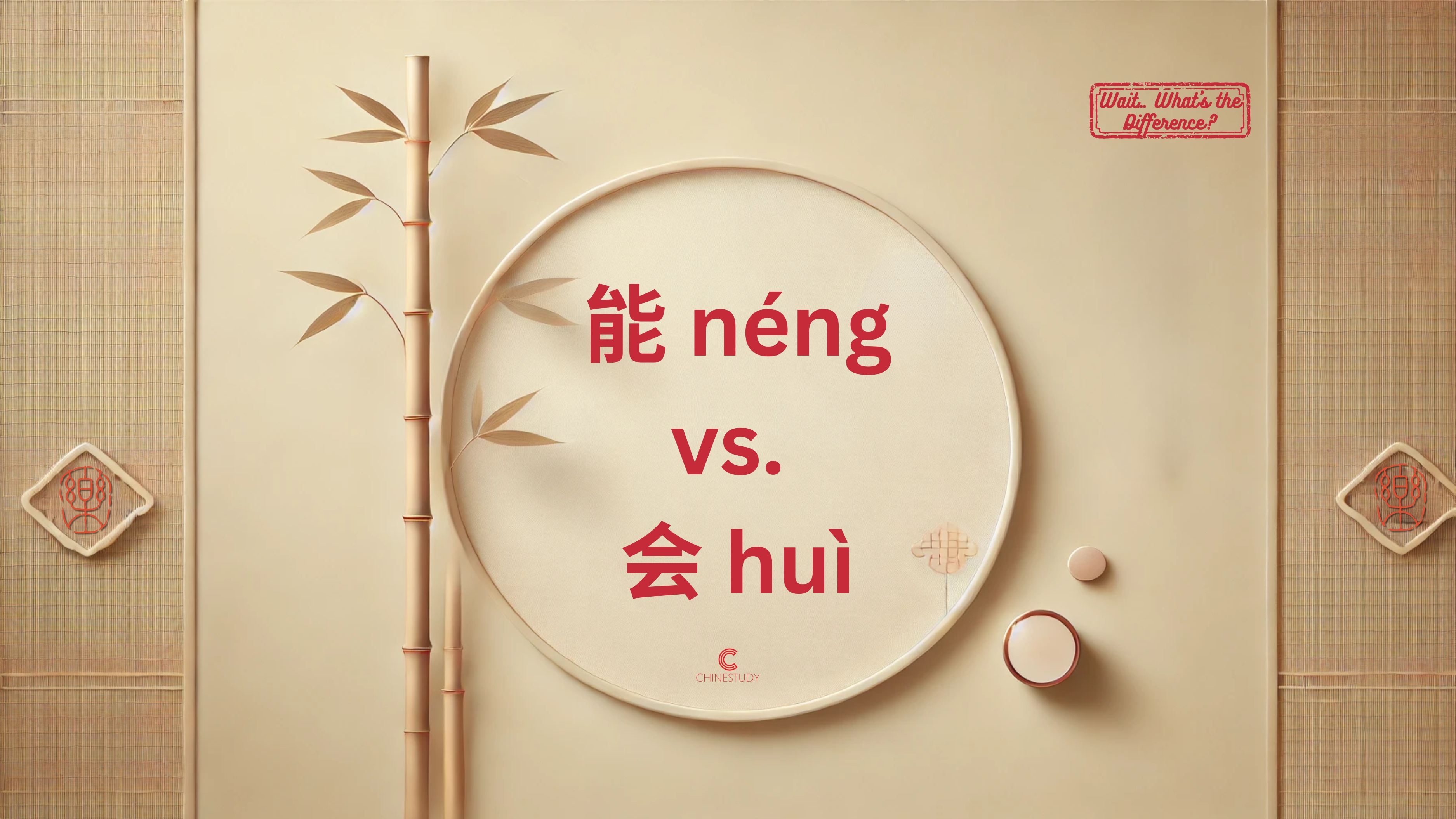
🧐 能 néng vs. 会 huì – What’s the Difference?
What’s the difference between 能 (néng) and 会 (huì)? Both mean "can," but they’re used differently! This blog explains how to use them with fun examples and easy tips.
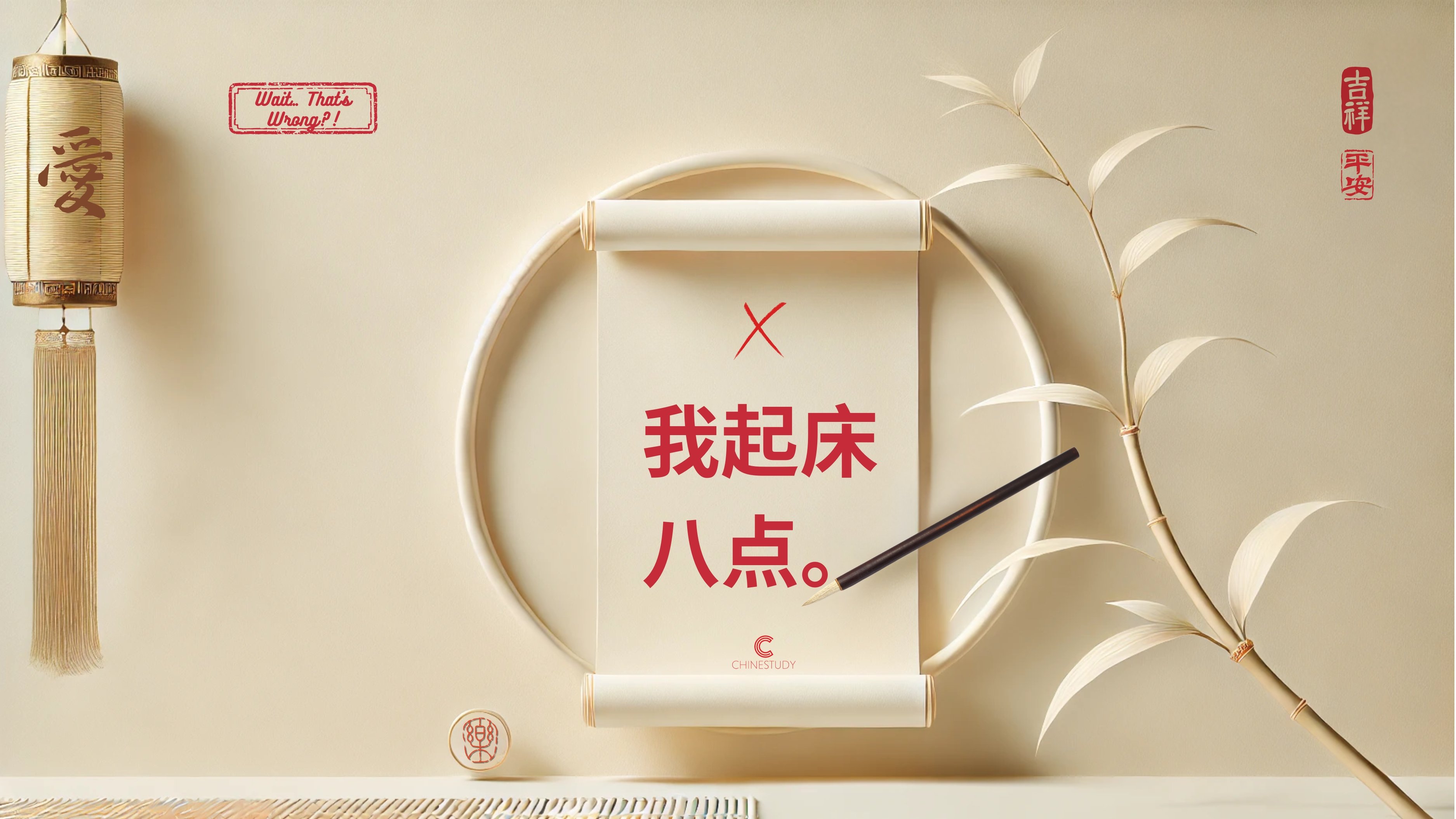
😅 我起床八点 Wait… That’s Wrong?!
Do you say “我起床八点”? That sounds okay in English, but it’s wrong in Chinese! Learn where to place time words like 八点 in your sentences.
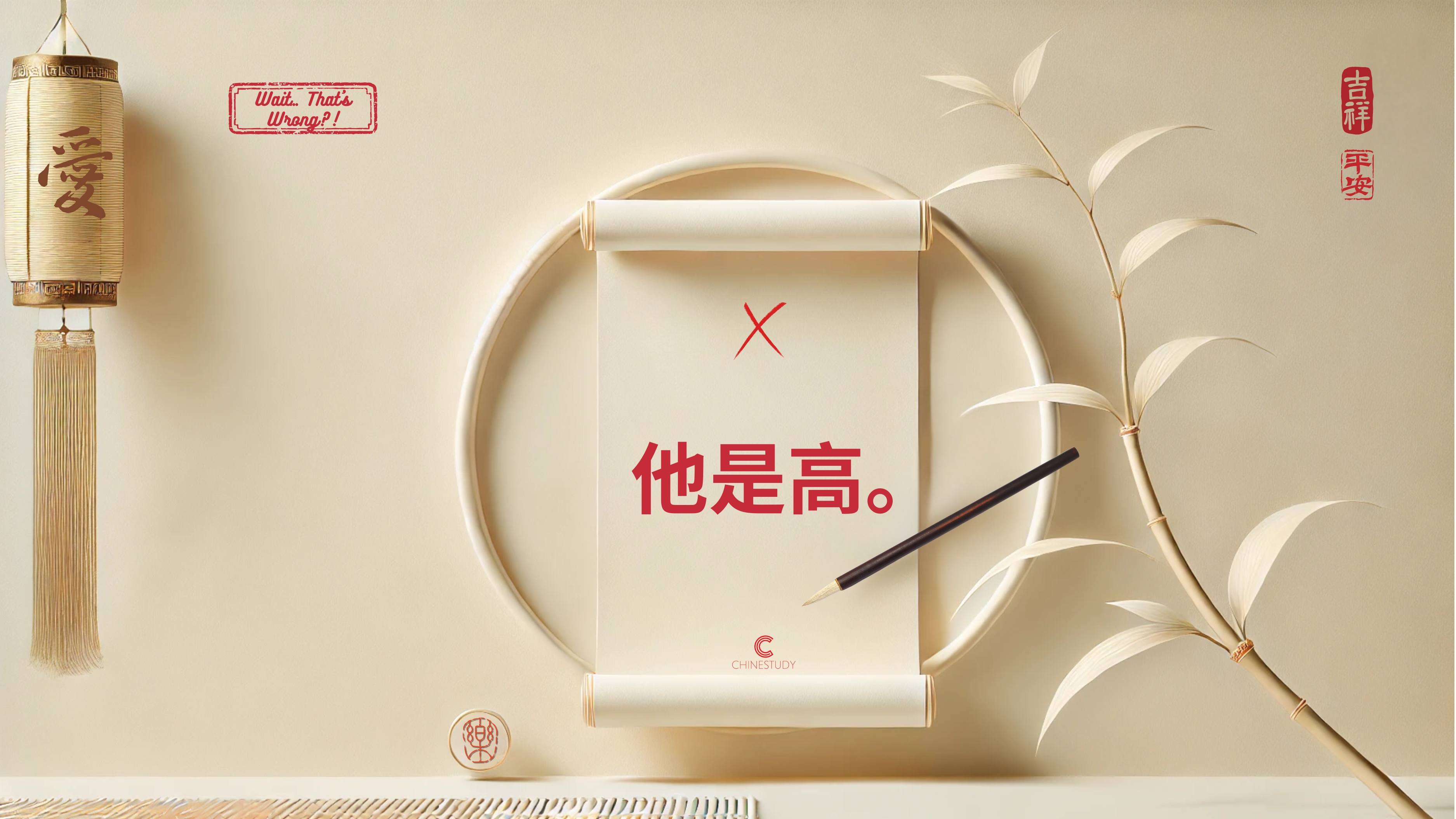
😅 他是高 Wait… That’s Wrong?!
Do you say "他是高"? It's a common mistake! Learn why you shouldn't use 是 (shì) before adjectives in Chinese, and how to say it right.
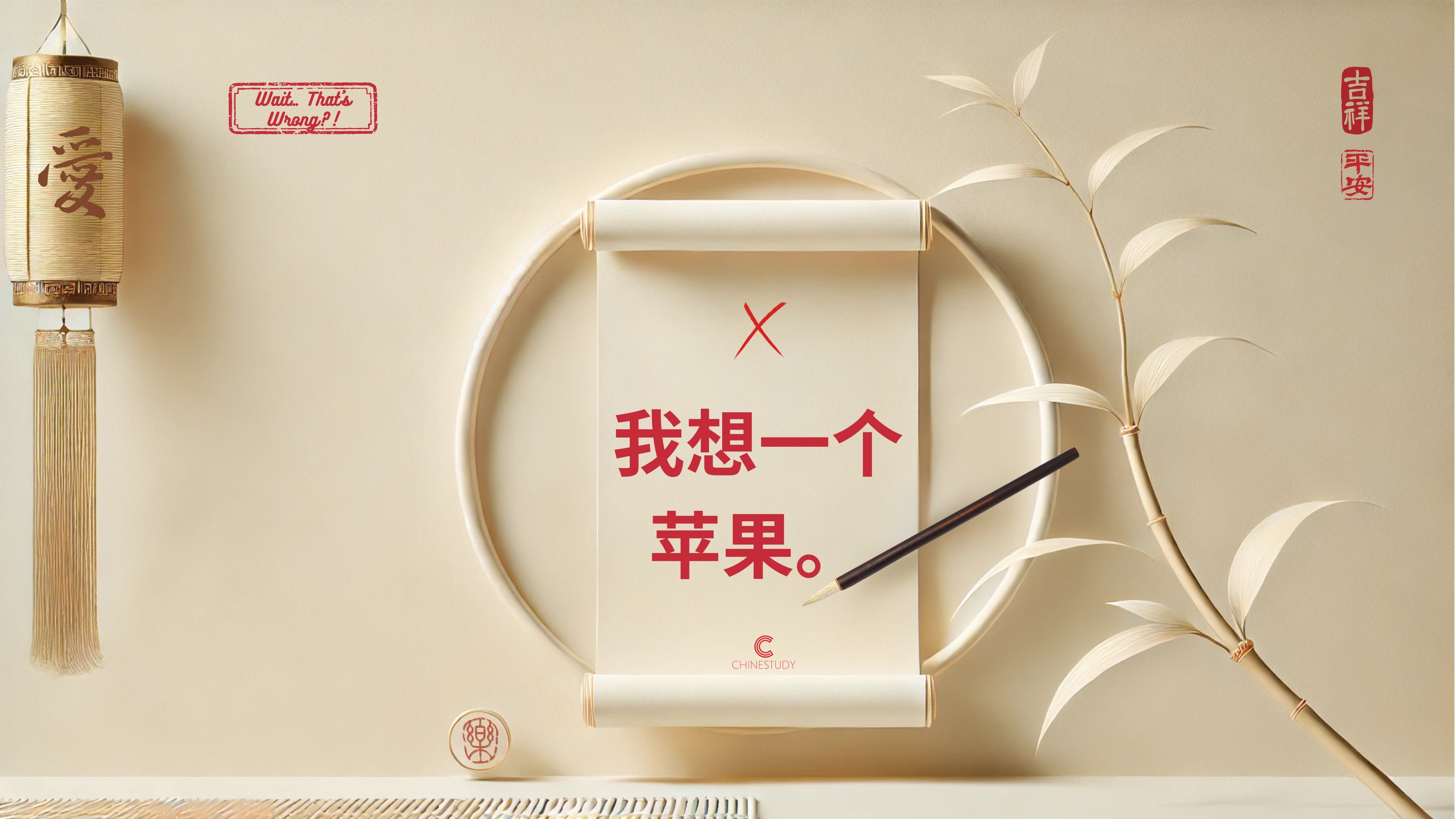
😅 我想一个苹果。 Wait… That’s Wrong?!
Do you say "我想一个苹果"? It's a common mistake! Learn the difference between 想 (xiǎng) and 想要 (xiǎngyào) to avoid this error.
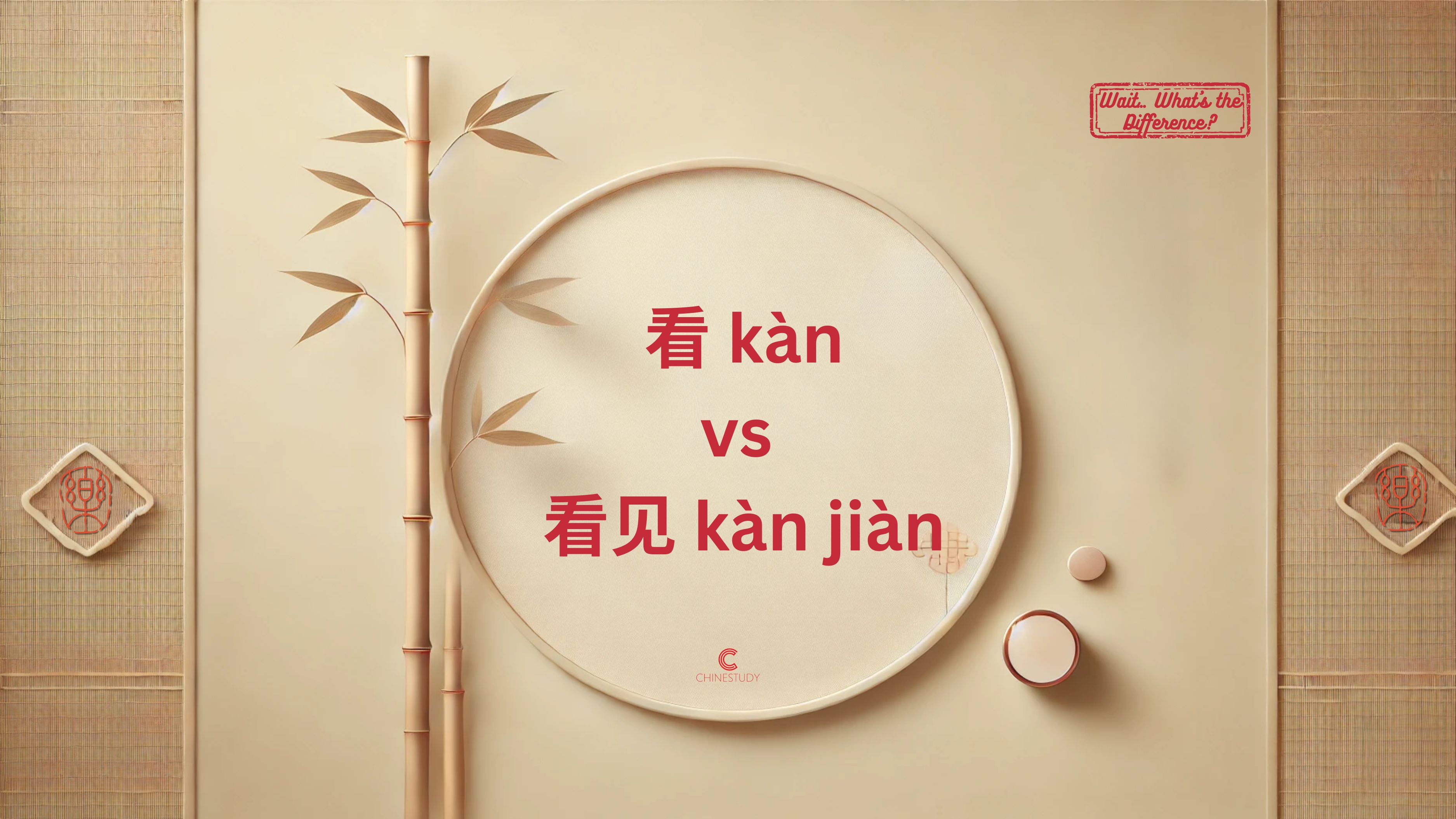
🧐 看 kàn vs. 看见 kànjiàn – What’s the Difference?
Confused about 看 (kàn) and 看见 (kànjiàn)? 看 is for looking or watching, while 看见 means successfully seeing something. Learn how to use both with simple tips and examples!
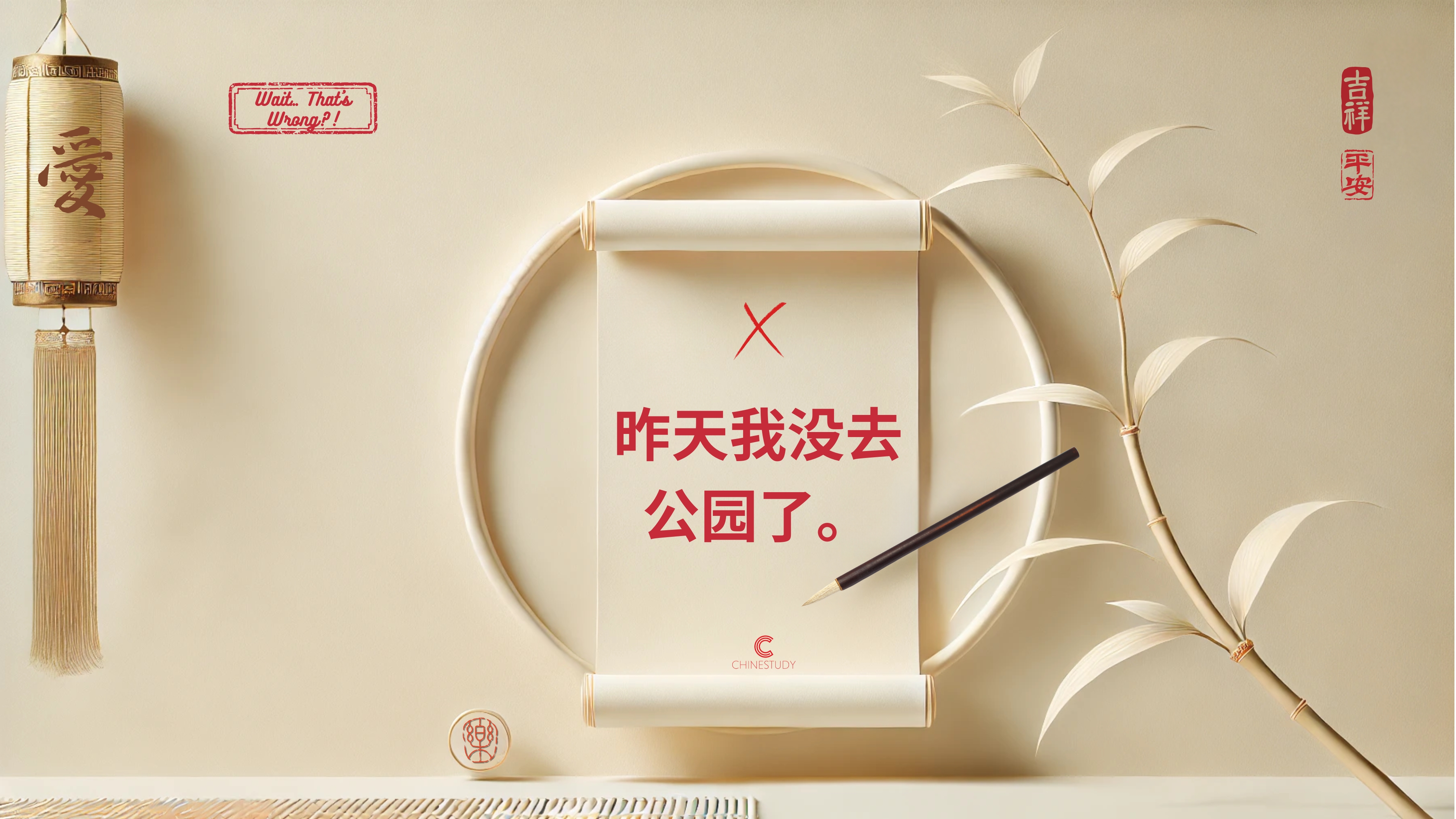
😅 昨天我没去公园了。 Wait… That’s Wrong?!
Learn why “没” and “了” don’t go together, and how to talk about things that didn’t happen — the right way.
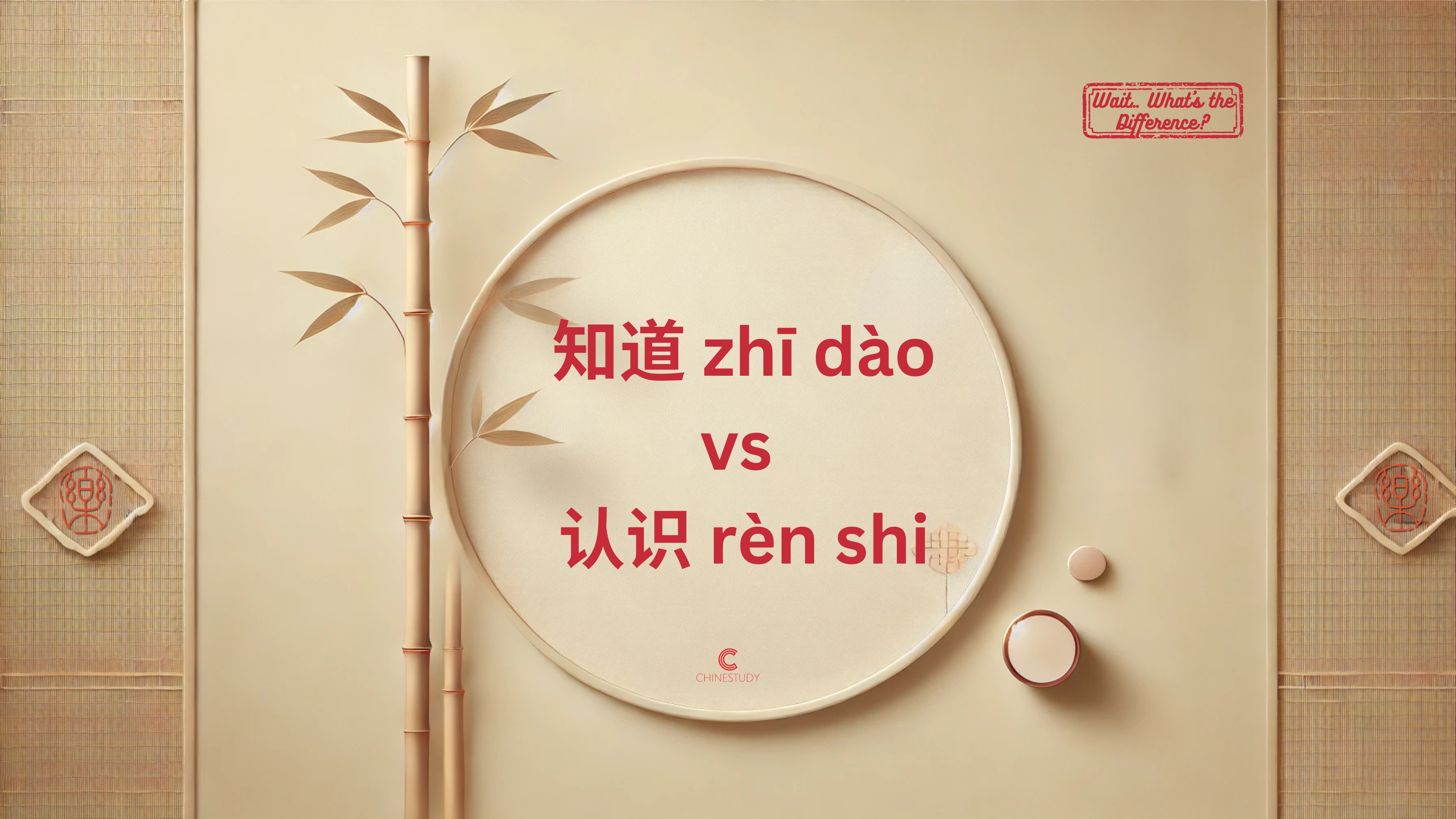
🧐 知道 zhīdào vs. 认识 rènshi – What’s the Difference?
Confused about the difference between 知道 zhīdào and 认识 rènshi? Learn how to use these two Chinese verbs correctly, with clear examples and fun practice!
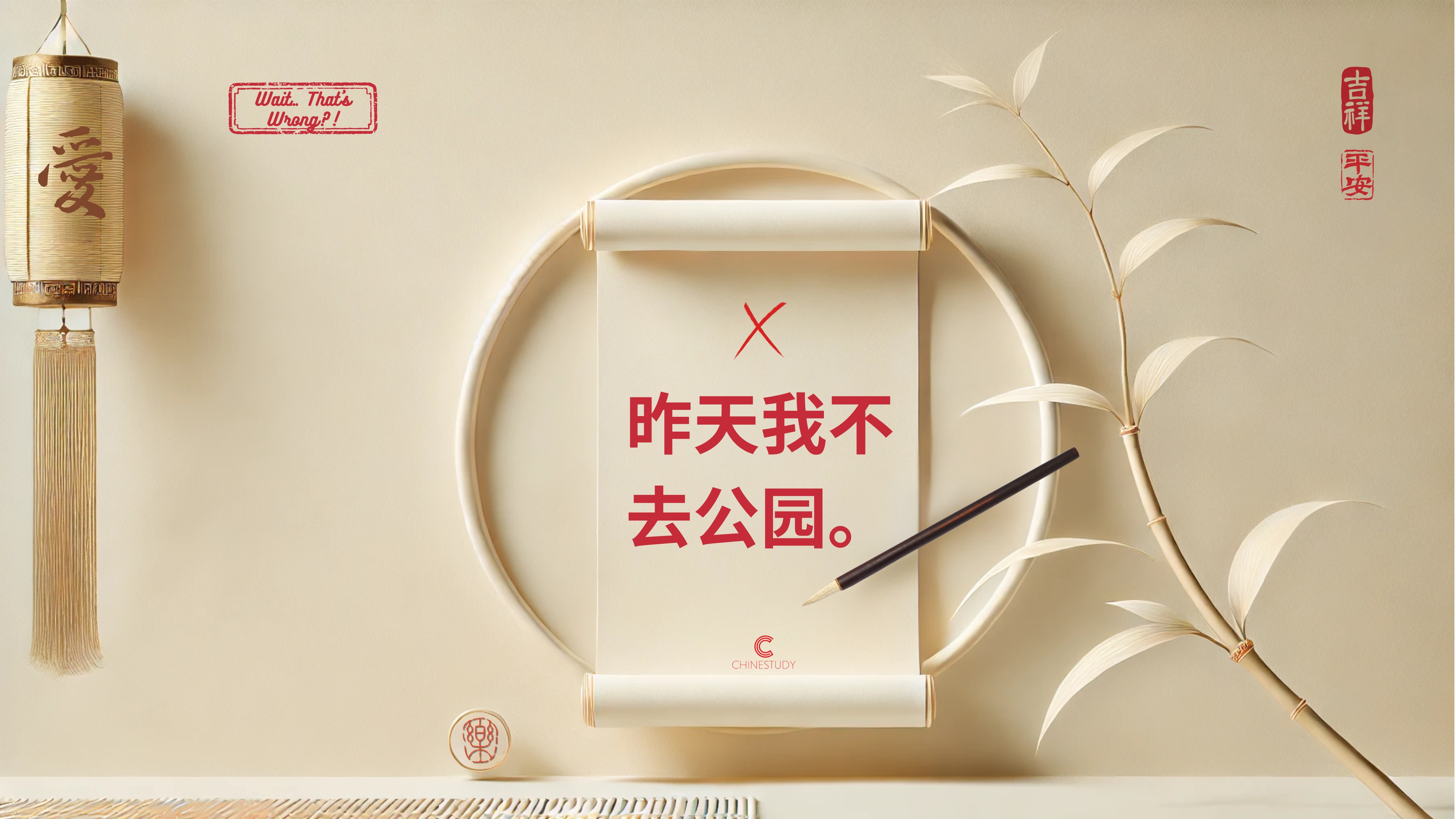
😅 昨天我不去公园。 Wait… That’s Wrong?!
Think "昨天我不去公园" is okay? Not quite! Discover why this common mistake happens and how to fix it with one simple rule about 不 and 没.
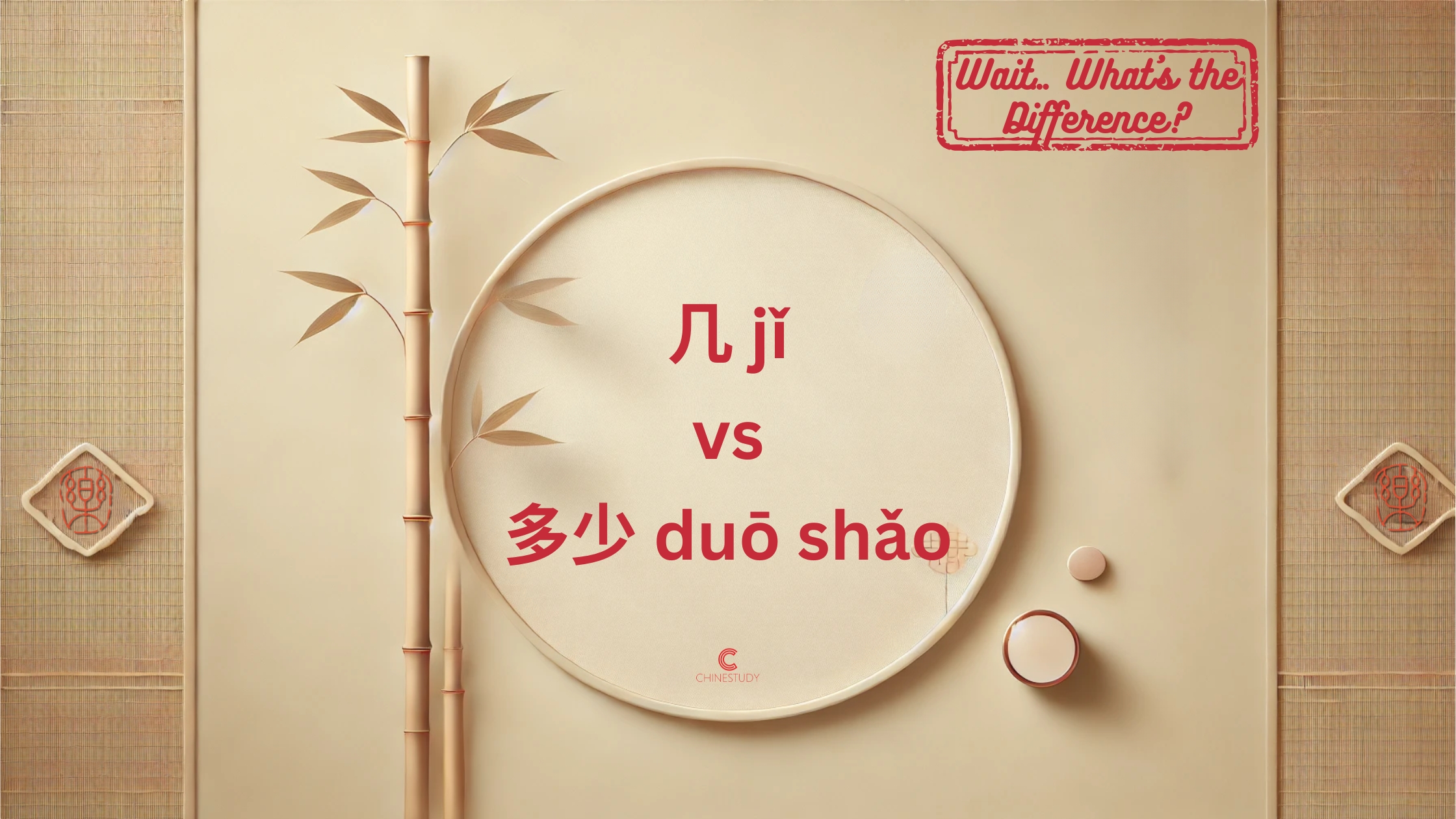
🧐 几 jǐ vs 多少 duō shǎo – What’s the Difference?
🧐 What’s the difference between 多少 (duō shǎo) and 几 (jǐ)? Learn when to use each with simple examples and one easy tip for everyday Chinese!
🧐 听 tīng vs 听见 tīng jiàn – What’s the Difference?
🧐 What’s the difference between 听 (tīng) and 听见 (tīng jiàn)? Learn how to use them correctly with simple examples and an easy tip!